
Dentistry MMI Stations: Ethics, Manual Dexterity & Role-Play Examples
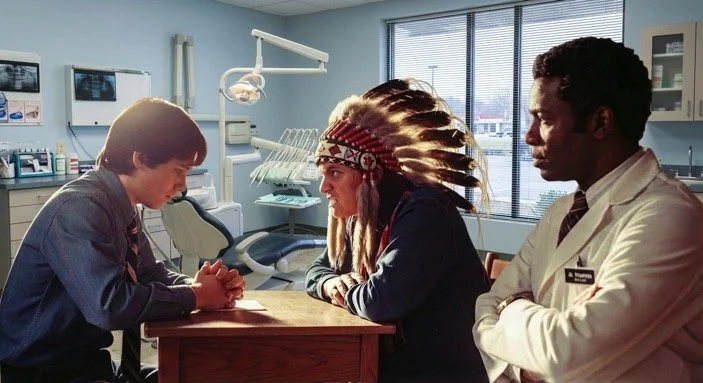

Understanding Dentistry MMI Interviews 🔍
Most UK dental schools use Multiple Mini Interviews (MMIs) as part of their admissions process. In an MMI, you’ll rotate through a series of short “stations,” each with a different interviewer and task. Some stations may feel like a traditional interview (for example, discussing your personal statement), while others are more practical – you might interact with an actor in a scenario or complete a hands-on task. Each station typically lasts only a few minutes (often around 5–7 minutes), so the pace is fast. This format gives you multiple chances to impress: if one station doesn’t go perfectly, you can recover and shine in the next one.
What are interviewers looking for? Essentially, they want to see if you have the qualities needed to succeed as a dental student and future dentist. At MMIs, you’ll be assessed on attributes like:
Motivation and enthusiasm for dentistry (why you want to be a dentist)
Communication skills and interpersonal abilities (how well you express yourself and listen)
Teamwork and leadership potential (ability to work with others)
Empathy and integrity (being caring, honest and professional)
Resilience and problem-solving skills (staying calm and thinking on your feet)
UK dental schools often explicitly mention these qualities. For example, Newcastle University notes that their interview assesses traits such as team working, communication skills, empathy, integrity and professionalism. MMIs are designed to bring these out: each station tests you in a different way, whether it’s your ethical reasoning, manual dexterity, or how you respond in a role-play scenario. Below, we’ll explore three common station types – Ethics, Manual Dexterity, and Role-Play – with examples and tips for each.
Ethics Stations in Dental MMIs ⚖️
Why ethics? Dentistry is a healthcare profession built on trust and strong ethics. Dental schools will likely test your understanding of ethical principles and your ability to make sound, morally guided decisions. You’re not expected to be an expert, but you should be aware of the General Dental Council (GDC) standards (which outline professional conduct) and the four pillars of healthcare ethics: beneficence, non-maleficence, patient autonomy, and justice. (In simple terms: beneficence = doing good; non-maleficence = doing no harm; autonomy = respecting patient choices; justice = fairness and equality.)
What to expect: In an ethics station, you’ll usually face a hypothetical scenario involving a moral dilemma or professional decision. There isn’t always one “correct” answer – often, there is no single right or wrong response. Instead, the interviewers want to see how you think. You should explain your reasoning clearly, consider different perspectives, and justify your actions. Show that you can weigh pros and cons and that you appreciate the core ethical issues at stake. It’s also important to demonstrate honesty, empathy, and a sense of responsibility in your answers.
Example ethical scenario: You might be given a situation that tests your principles and judgment. For instance, one sample MMI scenario from a UK dental school describes a 15-year-old patient who reveals to you (as the dentist) that she is pregnant but hasn’t told her mother, and she’s worried an X-ray might harm the baby. How would you handle this? This scenario examines your understanding of confidentiality and duty of care – you’d need to balance the patient’s trust and autonomy (respecting her privacy and feelings) with ensuring she gets safe care and appropriate advice. Another example could be an integrity-based scenario: imagine a classmate confides that they plan to cheat on an upcoming assignment by paying someone to write their essay. What would you do? An actor might play the friend, and you’d have to respond in a way that shows integrity (not tolerating cheating) while communicating advice or concern effectively.
Tips for ethics stations: 🙂 Stay calm and systematic. There’s usually no perfect answer, so focus on how you approach the problem. Structure your thoughts (you can even briefly outline the issues aloud), and mention the different factors or viewpoints involved (patient, dentist, NHS, etc.). Always keep patient welfare and professionalism in mind. If relevant, refer to ethical principles or GDC guidelines to support your stance – this shows awareness of professional standards. And remember to be empathetic: show that you care about the people involved, not just the rules. The goal is to demonstrate maturity, compassion and sound moral reasoning in tough situations.
✅ Turn dental interview practice into performance.
Our dentist-designed mock MMI mirrors real stations—communication, ethics, critical thinking, data interpretation, manual dexterity—assessed by experienced tutors and former assessors 🥇. Gain confidence and a personalised action plan. ➡️ Click here to secure your spot — strict 10 places per circuit.
Manual Dexterity Stations 🧵
Why manual dexterity? Dentistry is a hands-on career – quite literally! Dentists must perform precise, intricate work in small spaces (like shaping a filling on a tiny tooth), so excellent hand-eye coordination and fine motor skills are essential. Many UK dental schools therefore include a station to assess your manual dexterity. This isn’t something you can prove with grades or talk about theoretically – you have to demonstrate or discuss it.
What to expect: A manual dexterity station might involve a practical task or an opportunity for you to showcase a skill. For example, you could be asked to complete a small task under observation – one real example is being given a thread and needle and asked to thread it within a time limit. Other tasks reported by students include things like copying a shape using wire or assembling small objects. Don’t be surprised if the task seems unrelated to dentistry – it’s only meant to reveal how comfortable and coordinated you are with your hands. Instead of a task, some schools may ask you to talk about a hobby or project that demonstrates your manual dexterity. They might even invite you to bring in an example of your work – for instance, a model you built or a craft piece you made – and then discuss how it helped you develop fine motor skills. The key is that you can show evidence that you enjoy and have improved your hand coordination.
How to prepare: The great thing about manual dexterity is that it’s fun to improve. 👐 Dental schools and advisors often suggest taking up hobbies that require steady, precise hand movements to build your dexterity. Some popular examples include:
🎨 Arts and Crafts: Activities like model building, painting, or pottery can refine your fine motor control.
🎻 Musical Instruments: Playing an instrument (like guitar, violin, or piano) is excellent for hand-eye coordination and finger dexterity.
🧵 Sewing or Knitting: Needlework hobbies such as sewing, knitting, or embroidery are classic ways to show manual precision. (One candidate even mentioned knitting a tiny dentist doll – memorable and skillful!)
🍰 Baking or Cake Decorating: These involve careful handwork (think of detailed icing work) and also demonstrate creativity.
Pick something you enjoy – it genuinely doesn’t matter what it is, as long as it uses your hands in a skilled way. Then practice, practice, practice! Not only will this boost your dexterity, it will also give you something to confidently talk about at the interview. If you have a portfolio or a few photos of your work (say, a painting or a model you made), you could mention them. Showing pride and passion in a creative skill can really help you stand out.
During the station: If it’s a task, take a deep breath and focus. Don’t rush excessively – accuracy can be more important than speed (unless it’s explicitly a race). They’re observing how you approach the task as much as whether you complete it. If your hands tremble from nerves, pause for a second, steady yourself. 😊 Interviewers understand it’s stressful; often they’re looking at whether you stay calm under pressure. If instead you’re asked to discuss your manual skill, speak enthusiastically. Describe what you do, how often you practice, and maybe what you’ve achieved (e.g. “I’ve been building model aeroplanes for two years, which has really improved my attention to detail and hand coordination”). Emphasize that you enjoy working with your hands – a genuine interest in manual work is a great sign for a future dentist. And of course, if you’re doing a manual task or showing something, smile and have fun with it! It's your time to shine doing something practical.
(Insider tip: One common manual task is threading a needle, as mentioned. Practise this at home until you can do it quickly! It’s a simple exercise that also calms your nerves and improves fine motor control.)
Role-Play Stations 🎭
Why role-play? Dentistry is as much about people as it is about teeth. Dentists interact with patients of all ages, anxious individuals, colleagues, and other healthcare staff every day. Communication and empathy are therefore crucial skills. To observe these in action, many MMIs include a role-play station where you interact with an actor in a simulated scenario. This might sound daunting, but it’s actually one of the most illuminating parts of the interview – it lets you show, not just tell, how you handle real-life interactions.
What to expect: In a role-play station, you’ll be given a scenario (usually written on a card or explained beforehand) and then you’ll walk in to face an actor who takes on a role. You may be told you are a dentist in the scenario – for example, the actor could be a reluctant patient who is very nervous about a procedure, or a patient objecting to part of their treatment plan. You might have to explain something, calm them down, or persuade them in a friendly manner. Alternatively, the scenario could involve a colleague or friend: perhaps the actor is a fellow student doing something unethical (like the cheating classmate scenario) and you need to respond, or you have to break bad news to someone in a compassionate way. Not all role-plays are clinical – some are everyday situations to test how you communicate generally.
Here are a few common role-play scenarios that candidates have encountered:
😰 The anxious patient: You’re a dental student and the actor is a patient with dental phobia who is panicking about an upcoming procedure. Your task is to calm their nerves and explain what will happen in a reassuring way. This tests your empathy and ability to simplify complex information.
🙅♂️ The uncooperative patient: You must talk to a patient who is refusing a certain treatment or not following advice (for example, they refuse to wear their night guard despite grinding their teeth). You need to find out their concerns and encourage them to make the right choice, without being pushy – demonstrating patience, listening, and persuasive communication.
🤔 The ethical colleague: You notice a fellow dental student (or a nurse/colleague) doing something questionable – maybe they’ve been cutting corners with hygiene, or like the classmate who wants to cheat on an essay. The station asks you to confront them. The actor plays your colleague/friend, and you must navigate the conversation, showing integrity while remaining respectful.
💔 Breaking bad news: You’re put in a scenario where you have to deliver bad news or admit a mistake. For example, telling a friend you accidentally lost something they lent you, or informing a patient that an earlier dentist made a mistake in their treatment. This scenario checks your honesty and ability to communicate clearly under emotional pressure.
No matter the exact scenario, **the goal of a role-play station is to see your communication style and people skills. The assessors will evaluate how well you listen, the tone and body language you use, how empathetic and professional you are, and whether you can think on your feet when the conversation takes an unexpected turn. It’s not about acting talent – you don’t need to put on a show – it’s about being genuine, courteous and solution-oriented in a tough conversation.
Tips for role-play stations: Before you start, take the one or two minutes given to read the scenario and really imagine yourself in that situation. Identify the key issue – is it someone’s fear, or an ethical conflict, or delivering information? – and plan a basic approach. When you enter, greet the actor as you would a real person in that scenario (e.g. “Hello, how can I help?” or “Hi [name], I understand you wanted to talk about...”). Active listening is crucial: let the actor speak and truly listen to their concerns. Maintain open body language (smile, nod, make eye contact, avoid crossing arms) to show warmth. If the scenario is emotional (like an upset patient or friend), show empathy: simple phrases like “I’m sorry to hear that”, “I can understand why you feel that way” or “Thank you for sharing that with me” can go a long way to establish rapport. Speak clearly and calmly – it’s normal to be a bit nervous, but try to stay composed and focus on the person in front of you rather than your own anxiety.
If you need to persuade or give advice, do so gently and logically. For example, in the cheating classmate scenario, you might say something like: “I know this assignment is stressful, but paying someone to do it could get you in serious trouble. Let’s think of a better way – maybe we can study together or ask the tutor for help.” This way, you’re not just scolding; you’re offering support. Always aim to end the interaction on a positive or constructive note, if possible (e.g. summarizing a plan, thanking them for listening, etc.). And don’t worry if the actor throws a curveball or gets emotional – it’s part of the test. Stay patient and respond kindly. The assessors aren’t looking for a perfect solution to the scenario, but for strong interpersonal skills, empathy, and ethical reasoning in action.
(One more tip: sometimes the actor may deliberately act difficult or upset – don’t take it personally or get flustered. Keep your cool and stick to being caring and professional. They want to see that you can handle challenging interactions with grace.) 😉
Final Preparation Tips 📚👍
By now you can see that dentistry MMIs cover a lot of ground – but with the right preparation, you can approach each station with confidence. Here is a summary of top tips to help you excel:
🤓 Know your stuff: Review your personal statement and be ready to talk about anything you mentioned. Reflect on your work experience or volunteering – think of the key lessons and memorable experiences you had (for example, what did observing a dentist teach you?). Also, make sure you’re familiar with the NHS values and basic facts about the school you’re interviewing for.
⚖️ Brush up on ethics: Revisit the four pillars of medical ethics and the GDC’s guidance for dental professionals. You don’t need to quote guidelines, but understanding principles like patient confidentiality, consent, and duty of care will help in both ethics and role-play stations. Try practicing a few ethical dilemmas and get comfortable discussing them – remember to consider multiple viewpoints and justify your reasoning.
✂️ Practise manual skills: If manual dexterity isn’t your strongest area yet, dedicate some time to it. Take up a hobby (any of the ones we mentioned earlier, like sketching, model kits, sewing, etc.) and practise regularly. Not only will this improve your coordination, it will also give you confidence. You could even prepare a small project to talk about or show. Being able to sincerely say, “I really enjoy [your hobby] and do it often to keep my fingers nimble,” is a great asset in interviews.
🗣️ Practise speaking and timing: One unique aspect of MMIs is the time pressure. You often have just 5–6 minutes to deliver your answer or interaction. To get comfortable with this, practice common questions and scenarios out loud and time yourself. You could have a friend or family member act as the interviewer/actor for role-plays. This will help you learn to organize your thoughts quickly. It can feel silly at first, but it truly builds confidence. By interview day, answering under timed conditions will feel more natural.
😊 Stay calm and positive: Finally, go in with a positive mindset. Interviews can be nerve-wracking, but remember that the interviewers want you to do well – they are not trying to catch you out, they are trying to find the best in you. If you feel stumped at one station, don’t dwell on it; move on fresh to the next one. Between stations, take a deep breath and reset. Confidence, courtesy, and a smile can leave a lasting good impression, even if you’re unsure about a question. And if you’ve prepared thoroughly (which you’re doing right now – well done! 🎉), trust in yourself. You’ve got this!
Good luck with your dentistry interviews! With preparation and sincerity, you can turn those challenging MMI stations into opportunities to shine. Remember, each station is a chance to demonstrate a different facet of your abilities and character. Stay true to yourself, show the interviewers what excites you about dentistry and who you are as a caring future dentist. 🤗 By mastering ethics scenarios, honing your hand skills, and communicating with heart, you’ll be well on your way to acing your dental school MMIs. Good luck! 🍀