
How to Talk About Manual Dexterity at Dental Interviews (Without Sounding Cringe)
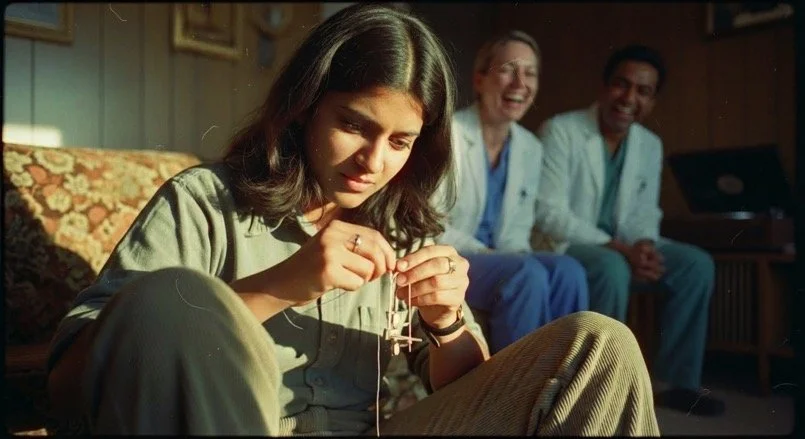

Interviewers for dental schools often ask about “manual dexterity”, which means your skill in using your hands for precise tasks. As a future dentist, you’ll be performing delicate procedures in patients’ mouths – so it’s no surprise that admissions tutors want to know you’re aware of the importance of good hand skills. However, talking about your manual dexterity can feel tricky. You might worry about sounding boastful, clichéd or cringe-worthy when describing hobbies like playing the guitar or doing crafts. The good news is that you don’t need to brag or have the hands of a surgeon already! This guide will show you how to discuss your manual dexterity in a confident, authentic way that impresses interviewers – without any cringing. We’ll cover why manual dexterity matters, how dental schools might assess it, ways to improve and demonstrate your skills, and tips (with examples) on what to say (and what not to say) in your interview. Let’s get your hands-on skills conversation-ready! 👐✨
Why Manual Dexterity Matters in Dentistry
Dentistry is a highly hands-on profession – dentists and dental students “routinely perform small, intricate tasks for long periods… in high-pressure situations”. Think about it: whether you’re drilling a tiny cavity, sculpting a filling, or placing braces, you’ll rely on steady, precise hand movements. A mistake of just a millimetre can make a big difference when working on a tooth. The Dental Schools Council (which represents all UK dental schools) emphasizes that aside from academic grades, manual dexterity is a key attribute dental applicants should have. In fact, this is one big thing that sets dentistry apart from courses like medicine – dental schools specifically look for evidence of fine motor skills and hand–eye coordination.
Interviewers want to be confident that you understand the physical demands of dentistry and will enjoy the practical aspects of the job. This doesn’t mean they expect you to already have a dentist’s level of skill – not at all. It means they appreciate applicants who have experience using their hands (even just in hobbies or school projects) and who recognize that working with tools in the mouth will be a big part of the career. Essentially, showing awareness and enthusiasm for manual dexterity tells them you’ve done your homework about dentistry and you’re prepared for the “hands-on” nature of the course.
How Dental Schools May Assess Manual Dexterity
Now, you might be wondering how this topic comes up in interviews. Different dental schools approach it in various ways:
Direct Questions: Many interviews will simply ask about it directly, for example: “Dentistry requires good manual dexterity. How have you developed yours?” or “Can you give an example of a time you needed fine manual skills?”. This gives you a chance to talk about any relevant hobbies or experiences. Some schools might frame it as, “What skills are important for a dentist?” – manual dexterity is a great skill to mention in your answer (alongside others like communication and empathy). Be ready to explain why it’s important, not just “because dentists work with their hands” – give a specific reason or example (e.g. precise tasks like repairing a tooth).
Manual Dexterity Tasks: In certain interviews (especially those using MMIs – Multiple Mini Interviews), you may get a practical task to test your dexterity. For instance, you could be asked to thread a needle, carve a shape out of soap, or replicate a pattern using small objects. Don’t panic – these tasks are usually quite basic. The goal isn’t to test any dental knowledge, but to see that you can stay calm, follow instructions and work with your hands under a bit of pressure. Everyone finds their hands shaking a little in these situations; interviewers understand you’re nervous. If your school has a manual task, take a deep breath, focus on the instructions, and do your best – it’s okay if it’s not perfect. They’re observing your approach more than the end result.
“Show and Tell”: A few dental schools even invite candidates to bring an example of something demonstrating manual dexterity. This might mean you bring a piece of artwork, a model, or anything you’ve made with your hands that you’re proud of. If you’re asked to do this, choose something that genuinely represents your interest – perhaps a sketch you drew, a small model you built, or a craft project. You would then have a chance to explain how you made it and what skills it involved. The key here is not the complexity of the item, but your ability to reflect on the process. For example, you could explain how building a model airplane taught you to follow instructions carefully and improved your patience and hand coordination.
💡 Keep in mind: Not every interview will include a dexterity test or even a question on this topic. Some candidates report never being directly asked at all. But it’s wise to prepare for it, because if it does come up, you’ll shine with a well-thought-out answer. And even if it doesn’t come up explicitly, you can still find opportunities to mention your manual skills (for example, when asked about your hobbies, or why you chose dentistry, you can weave in a mention of enjoying hands-on activities).
Building Your Manual Dexterity (Hobbies & Practice)
Playing a musical instrument like the piano is a fun way to develop manual dexterity – it improves finger coordination and control.
You might be thinking, “I’m not naturally gifted with my hands – is that a problem?” Rest assured: you’re not expected to be an expert already. Manual dexterity is developed over time, and dental school itself will train you intensively in those skills. In fact, interviewers know that “developing them will be part of the degree”. What does help your application is showing that you’ve made an effort to practice and improve your dexterity, or at least that you appreciate why it’s important. One great way to do this (and to have something to talk about) is through hobbies that involve using your hands.
Examples of dexterity-building hobbies include: drawing or painting, playing musical instruments, sculpting or model-building, sewing or knitting, woodcarving, cooking/baking, even certain sports or activities like origami, jewellery-making or car maintenance. Anything that requires steady, controlled hand movements and attention to detail can count. If you already do something like this, fantastic – you can use it in your answers. If not, it’s never too late to start: maybe try picking up a simple craft or DIY project a few months before your interview. Not only will it give you an example to discuss, it might also genuinely improve your fine motor skills and patience.
Don’t choose a hobby just to tick a box, though. Interviewers can tell if you’re truly interested in what you’re describing or if you just started it last week for the sake of the interview. If you do start a new activity, be ready to talk about what you learned from it and why you chose it. Even a short experience can be meaningful if you reflect on it. For instance, spending a few weeks learning basic knitting can teach you how tricky fine movements can be at first and how practice leads to improvement – a nice insight to share. One student on an online forum shared that they knitted a simple scarf and brought it (half-finished) to the interview to show their new skill – a quirky but effective approach that helped them discuss dexterity confidently. Whether or not you bring something tangible, the point is to show you’ve taken initiative to develop yourself.
Also, remember that manual dexterity can be practiced in little everyday ways. Building a plastic model kit, repairing a gadget, assembling IKEA furniture, decorating a cake, or even just doing detailed school art projects are all experiences you could mention. You may have more examples than you think once you brainstorm. The key is that you enjoy working with your hands and aren’t afraid of tasks that require fine detail.
✅ Turn dental interview practice into performance.
Our dentist-designed mock MMI mirrors real stations—communication, ethics, critical thinking, data interpretation, manual dexterity—assessed by experienced tutors and former assessors 🥇. Gain confidence and a personalised action plan. ➡️ Click here to secure your spot — strict 10 places per circuit.

How to Talk About Your Manual Dexterity (Without Sounding Cringe)
So, you’ve got some ideas of what you could talk about – now how do you talk about it in the interview without coming off as cringey or over-the-top? The secret lies in being honest, reflective, and linking it back to dentistry. Here are some Do’s and Don’ts to keep your answer confident and cringe-free:
✅ DO explain why your dexterous hobby or experience matters to you. Share what skills it helped you develop or demonstrate. For example: “Learning the guitar really improved my hand–eye coordination and finger dexterity. I remember at first I struggled to hit the right strings, but after months of practice, I developed a lot more control in my finger movements. It taught me discipline and patience.” This kind of reflection shows growth and self-awareness, rather than just name-dropping a hobby. It also naturally links to dentistry: hand-eye coordination, patience, and practice are directly relevant to clinical skills.
✅ DO connect your experience to dentistry (but subtly and truthfully). The goal is to show you understand why manual skill is needed for a dentist. You might say, for instance: “Painting miniature figures is something I love – it requires intense focus on tiny details for a long time. I’ve spent hours on one mini sculpture. It made me realize I don’t mind that kind of meticulous work – which is important since dentists often work on very small scales too, like shaping a filling.” By making this connection, you’re telling the interviewer, I know what I’m getting into, and I’ll enjoy it. If you mention a specific skill, you can briefly note how it’s useful for dentists: e.g. “Knitting has taught me to keep a steady hand and pay attention to detail, which I believe are valuable when mastering clinical techniques”.
✅ DO be enthusiastic and genuine. If you enjoy using your hands, say so! Perhaps talk about how working on crafts or playing piano is a nice break from study that you find relaxing or rewarding. A genuine smile and sparkle in your eye when discussing your hobby can convince them more than any rehearsed line. Dental schools like to see passion and commitment. If you’re bringing an object (like a model or artwork), you can show it with pride and tell the story behind it. Being proud but humble is a good balance – you’re pleased with what you achieved, but you’re not claiming it’s genius-level work.
❌ DON’T just list a hobby without context. Simply saying “I play video games, which shows manual dexterity” or “I do painting, so I have good hand skills” can sound shallow or clichéd. Always add the context or what it taught you. For example, instead of just naming the hobby, you could say, “I took up cake decorating during lockdown; it was tricky at first to pipe icing smoothly. It really improved my finger control, and now I can create pretty intricate designs. I actually found it quite therapeutic!” This way, you’re sharing a little narrative and a learning outcome, not just a claim.
❌ DON’T exaggerate or make unrealistic links. One of the cringiest mistakes is to oversell your hobby’s relevance to dentistry. Interviewers have likely heard things like “Because I play the violin, I will have no problem doing fine dental procedures.” Unfortunately, that comes off as naive – playing an instrument does help dexterity, but it doesn’t automatically make you a skilled dentist. Avoid grand statements or implying you’re already prepared for complex dental work thanks to your hobby. Instead, acknowledge that you’ll need to learn and improvein dental school, and that your current experience simply gives you a head-start in understanding the challenges. For instance: “I know knitting a scarf isn’t the same as doing surgery! But it has given me an appreciation for tasks that require a steady hand and perseverance. I’m ready to further develop those skills in dental school.”
❌ DON’T use the word “cringe” in your answer. (Ironically!) You can think it, but keep your tone professional yet warm. Saying something like “I know it’s cringe, but I like origami” might undermine your point. There’s nothing cringey about having a hobby – interviewers genuinely find it interesting and relevant. So speak about it with confidence, as a positive aspect of your application. Remember, the interviewers want you to do well and show your strengths. Talking about a constructive hobby or skill you’ve developed will reflect well on you, not poorly.
Example: What a Good Answer Might Sound Like
Let’s put it all together. Imagine the interviewer asks, “How have you improved your manual dexterity?” Here’s a sample answer incorporating the tips above:
“Over the past year, I’ve been teaching myself calligraphy, which really challenged my manual dexterity. When I first started, my hand would shake and the letters looked uneven. But I practiced a bit each day, and I’ve gotten much more control and steadiness in my handwriting. It taught me a lot about patience and fine motor control – I actually find it almost meditative now. I chose calligraphy because I know dentistry involves careful handwork too, like carving fillings or shaping crowns. Doing this hobby has given me a taste of what it’s like to focus on tiny details for a long time, and I’ve discovered that I really enjoy that kind of work. I’m not perfect at it by any means, but I’ve seen my progress, and that’s been very rewarding. I believe I’ll bring that same patience and willingness to keep improving when I learn practical skills in dental school.”
Why is this a strong response? It’s honest (talks about starting shaky and improving), it shows initiative (self-learning a skill), and it links the experience to qualities needed in dentistry (focus on details, patience, steady hand) without boasting. It also conveys enthusiasm – the candidate enjoys the activity, which suggests they will enjoy hands-on dental work too. You can substitute any hobby or experience in a similar structure: state what you did, describe the challenge and improvement, highlight the skills gained, relate it to dentistry, and show positivity about continuing to develop.
Example: If You Don’t Have a Specific Hobby
What if you’re truly not into arts and crafts or musical instruments? You can still answer effectively. Perhaps you haven’t had formal hobbies, but you might have taken opportunities in school or elsewhere to use your hands. Here’s how you might tackle it:
“I’ll admit I don’t have a single standout hobby like knitting or painting. However, I’ve always been the kind of person who likes working with my hands in general. For example, in our Design Technology class at school, I enjoyed making a small wooden toolbox – measuring and cutting the pieces and carefully assembling them. I also volunteered at a community centre summer fair last year where I helped kids with arts and crafts activities. Helping a six-year-old glue together a model airplane actually required quite a bit of dexterity and a lot of patience! These experiences made me realise I’m pretty good at staying calm and focused during fiddly tasks. I know I’ll learn many new manual skills in dentistry, and I’m excited for that – I’m not afraid to handle tools or get stuck into practical work. In fact, since applying to dental school, I’ve started doing some simple DIY repair projects at home just to get even more comfortable using tools and improving my coordination.”
In this answer, the applicant is upfront that they don’t have a fancy hobby to show off. But they still demonstrate instances where they used fine motor skills (school project, volunteering). They highlight qualities like patience and calmness, and they express eagerness to learn the manual skills of dentistry. This comes across as authentic and proactive. Remember, enthusiasm and willingness to learn can compensate for not having years of a particular hobby – many dental schools care more that you appreciate the importance of manual dexterity than that you’re already highly skilled.
Final Tips: Be Confident, Be Yourself
Talking about manual dexterity doesn’t have to be an uncomfortable topic. In fact, it’s one more chance to show your strengths and personality. When you discuss it with a positive attitude, you’re demonstrating that you’ve thought about what dentistry involves and that you’re up for the challenge. A few closing pointers to keep in mind:
Stay humble and self-aware: It’s perfectly okay to acknowledge you’re still learning. Dental schools will teach you from scratch how to hold instruments and drill teeth – they don’t expect you to have those skills yet. What impresses them is having the maturity to recognize that manual dexterity is important and the drive to improve yourself. As one dental student adviser put it, “spend your time developing an understanding of and appreciation for the skills a dentist will require, rather than worrying about having perfect hands now”. Showing that kind of insight will set you apart more than any one hobby can.
Practice talking about it: Just as you might practice answers for “Why dentistry?” or ethical scenarios, practice answering a manual dexterity question. Try speaking aloud about your chosen examples to a teacher, friend or family member. Do you sound natural? Are you explaining clearly what you learned? Getting feedback can help you refine your answer so it doesn’t sound memorised or awkward. You want to come across as conversational and sincere, not like you’re reciting a script.
Relax and use your hands (naturally): When discussing a hands-on hobby, it’s fine to be a bit animated. Some people even unconsciously mimic the motions (like pinching fingers together when talking about sewing). This can actually make you seem more enthusiastic and genuine. Don’t worry about fidgeting being seen negatively – if it’s expressive and on-topic, it’s okay. It shows you care about what you’re saying. Just avoid extreme gestures that might distract. And if you did bring an item to show, use it as a prop to guide your explanation.
Remember the interviewers are on your side. They are not looking to trip you up on this topic; if anything, it’s usually a “soft ball” question meant to let you talk about something enjoyable. As Newcastle University’s guide notes, interviewers will give you opportunities to discuss your experiences and passions. They want to hear about the real you. So take a breath, smile, and tell your story. If you speak with genuine interest and modest confidence, there’s nothing cringey about that at all!
By following these tips, you’ll be able to convey your manual dexterity in a professional yet personable way. You’ll show that you’re ready to embrace the practical side of dentistry, that you have some relevant skills or at least the curiosity to develop them, and that you can reflect on your experiences maturely. That combination is sure to impress the interview panel. Good luck with your interview, and remember: keep calm and trust your hands – you’ve got this! 🤞😄
References
Newcastle University School of Dental Sciences – “Interviews for dental school”. (Interview guidance and manual dexterity section) ncl.ac.ukncl.ac.uk
Blue Peanut Dental – “Dental School Interview Guide 2026 – What Schools Look For” (Admissions guide) bluepeanut.com
University of Sheffield, School of Clinical Dentistry – BDS Dental Surgery Selection Process and Entry Requirements (2025/26) sheffield.ac.uk