Role-Play Stations in MMI: Scripts, Examples and What Examiners Look For

What Is a Role-Play Station in an MMI? 📚
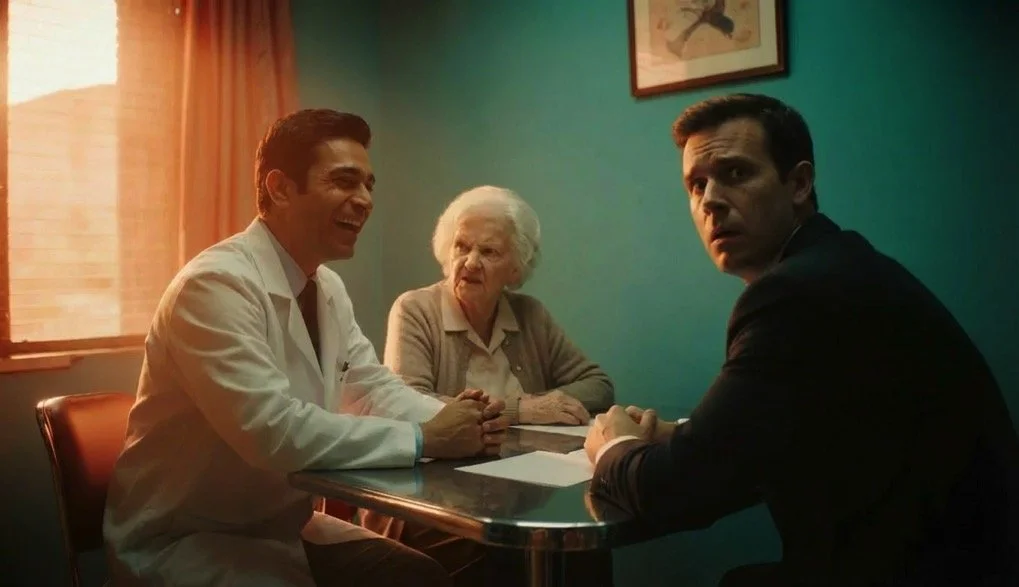
Multiple Mini Interviews (MMIs) are a common interview format used by most UK medical schools. In an MMI, you rotate through short “stations” that test different skills and qualities. A role-play station (sometimes called an acting station) requires you to act out a scenario with an actor, observed by an interviewer. The actor might play a patient, friend, family member, or colleague, and you’ll need to handle the situation as instructed. These stations typically last about 5–7 minutes and may involve tasks such as breaking bad news, resolving a conflict, explaining a concept, or demonstrating empathy in a difficult situation.
Role-play stations are used across the UK – from Aberdeen to Imperial – as a way to see your communication and interpersonal skills in action. For example, Anglia Ruskin University explains that beyond academic ability, a good doctor must “remain calm in stressful situations, adapt to unfamiliar circumstances, and listen and communicate effectively – not only with individual patients, but within a team.” This is precisely what a role-play station puts to the test. In fact, many medical schools explicitly include stations with actors to assess these qualities. Even if you’re applying to a school with a traditional panel interview, you might still face role-play style questions (or scenarios to discuss), so understanding this format is crucial.
Why Do Medical Schools Use Role-Play Stations? 🎯
Medical school interviews aren’t just about academic knowledge – they’re about finding future doctors who have the right communication skills, empathy, and values. A role-play station is a powerful way to assess these. It places you in a realistic interpersonal scenario to see how you respond in real time. Examiners know that as a doctor, you’ll often need to communicate with people when they are vulnerable, upset, confused or angry. By simulating these situations, they can observe qualities a written test or traditional Q&A might miss.
What are interviewers looking for? In role-play, the examiners (and the actor, who usually provides feedback on your performance) will be watching for a few key abilities. According to expert guides, role-play stations assess whether you can:
React appropriately to an unknown scenario – Do you stay calm and think on your feet?
Communicate clearly and effectively – Are your explanations and questions easy to understand?
Establish rapport – Do you build a good connection with the person you’re speaking to?
Show empathy – Do you recognise and acknowledge the other person’s feelings?
Demonstrate ethical decision-making – Do you behave with integrity and sound judgment?
In short, the role-play tests if you have the “communication skills, values and behaviours expected of a medical student”. Medical school interviewers want to see that you can engage in a meaningful conversation, put the other person at ease, and handle the situation with care and professionalism. As Anglia Ruskin’s guidance notes, MMIs give a “broad view of the skills you need to become a competent doctor,” and stations often target core qualities like empathy, teamwork, integrity, communication, and ethical reasoning
How Does a Role-Play Station Work? 🤔
When you approach a role-play station, you’ll usually first read a prompt describing the scenario and your role. You might be told, for example, “You are a friend who needs to tell your neighbour you accidentally broke a treasured ornament” or “You are a junior doctor speaking to a patient’s relative about a mistake.” There will be an actor inside the station, ready to play their part (e.g., the upset neighbour or the anxious relative), and an examiner observing quietly from the side.
Once you enter, introduce yourself and perhaps your role (for instance, “Hello, my name is ___. I’m one of the medical students here.”). Then you’ll start the interaction as prompted. Remember, the actor is in character – treat them as you would a real person in that situation. The conversation will flow based on your responses and the actor’s replies. It’s normal for the actor to challenge you a bit: they might show emotions like anger or sadness, ask difficult questions, or need clarification. Your task is to navigate through this using your interpersonal skills.
🔹 Timing: Most role-plays are strictly timed (often ~5–7 minutes). You won’t be expected to fully “solve” the person’s problem in that short time. Instead, the focus is on how you communicate. (One official guide emphasises that interviewers care more about how you carry out the conversation than reaching a specific resolution.) So don’t rush to finish the scenario – instead, demonstrate good process: listen, respond empathetically, and communicate clearly.
🔹 End of the station: Usually, when time is up, the examiner (or a buzzer) will halt the scenario. It’s polite to thank the actor and the interviewer before you leave – remember, the actor is often asked by the examiner afterwards how you made them feel. A gracious goodbye leaves a good final impression.
What Do Examiners Look For? 🧐 (Key Skills to Showcase)
Role-play stations are all about your soft skills and personal qualities. Here are the top attributes you should aim to demonstrate, and what they mean in practice:
Communication Skills: Speak clearly, at a steady pace, and use language appropriate for the person you’re talking to. Avoid jargon or overly technical terms. Check that the other person understands you. Good communication also means listening – not interrupting, and responding to what they actually say. Maintain comfortable eye contact and open body language (e.g. nod to show you’re engaged). Essentially, show that you can convey information and listen in return.
Empathy and Compassion: Empathy is crucial in these stations. You should acknowledge the actor’s feelings and show that you care about their perspective. Simple phrases like “I’m so sorry this happened”, “I can’t imagine how hard this is for you”, or “I understand why you’re upset” can demonstrate empathy (as long as you sound sincere). If appropriate, offer small comforts – e.g. tissues or a moment to compose themselves (in a real scenario, you might offer a glass of water or a private space). The goal is to make the person feel heard and supported, not just to deliver your message. Remember that empathy is different from sympathy – you’re not just pitying them, you’re actively trying to understand and help.
Calmness and Self-Control: Interviews are stressful by nature, and role-plays can be emotionally charged. Examiners want to see that you can remain calm and think on your feet. If the actor is angry or crying, you need to stay composed and professional. Take a deep breath if required, speak in a calm tone, and don’t let yourself become flustered or defensive. For example, Anglia Ruskin explicitly lists the ability to “remain calm in stressful situations” as a quality they seek in MMIs. Keeping your cool under pressure reassures the actor (and the examiners) that you can handle tough conversations – a vital trait for a doctor.
Adaptability: You won’t know exactly how the actor will respond – they might throw you a curveball comment. Show that you can adapt your approach as needed. If, for instance, you planned to explain something methodically, but the person interrupts with a different concern, be flexible and address it. Don’t rigidly stick to a script if the situation evolves. Being adaptable also means adjusting your communication style to the scenario: you might speak more softly and use simpler words with a distressed patient, but be more candid and solution-focused with a colleague. Interviewers love to see that you can think on your feet and adjust appropriately.
Integrity and Ethical Judgment: Some role-plays involve an ethical dilemma or a confession of a mistake. In these, examiners look for honesty, responsibility, and moral reasoning. For example, if the scenario is that you spilt coffee on someone’s research or forgot to submit a lab test, the right approach is to own up to it, apologise sincerely, and try to make it right – not to make excuses or hide it. Similarly, suppose you’re confronting a colleague who did something wrong (say, a senior doctor drinking on duty). In that case, you should be respectful but firm about patient safety. Show that you have a strong sense of right and wrong and the courage to act on it (while remaining polite). It’s about finding a balance between being assertive and respectful.
Ability to Build Rapport: This is a subtle but essential skill. It’s not just what you say, but how you make the other person feel. Try to establish a connection: introduce yourself, maybe use their name, and show genuine interest in their concerns. Little things like a warm greeting (“Hi, Mrs Smith, I understand you wanted to speak about…”) or saying “Thank you for telling me how you feel” can create rapport. If the person trusts you or feels comfortable with you by the end of the station, you’ve succeeded in building rapport. Interviewers will notice if you manage to turn a tense interaction into a more constructive conversation through your tone and empathy.
Keep in mind that your performance isn’t only being judged by the silent examiner – the actor’s experience counts too. Many universities collect feedback from the role-player about how you interacted with them. Were you courteous? Did you make them feel heard or rushed? Did you maintain professionalism throughout? Treat the actor as you would a real patient or colleague, from the moment you walk in to the moment you leave.

✅ Turn practice into performance.
Our doctor-led mock MMI mirrors real stations—communication, ethics, prioritisation, data interpretation—assessed by experienced tutors and former assessors 🥇. Gain confidence and a personalised action plan. ➡️ Click here to secure your spot — strict 10 places per circuit.
Common Role-Play Scenarios (UK Medical School Examples) 📝
Role-play stations can cover a wide range of situations. They might be medical or non-medical in context – remember, no prior medical knowledge is required for these interviews. It’s all about communication and reasoning, not factual knowledge. Here are some common scenario themes that UK medical schools have used, with examples:
Breaking Bad News: You have to give someone unpleasant information in a considerate way. Example: You’ve been looking after your neighbour’s cat while they were away, and the cat was hit by a car and died. You must inform your neighbour and console them. Another example could be telling a friend they didn’t get the position they were hoping for (e.g., not making the team or failing an exam). The key in these scenarios is empathy and clarity – don’t beat around the bush forever, but do soften the blow (e.g. “warning shots” like saying “I’m afraid I have some bad news” before you say the worst part).
Admitting a Mistake & Apologising: You’ve made an error and need to come clean. Example: You were supposed to deliver an important document or submit a lab test, but you forgot, and now there’s a consequence. You might face an angry person (a colleague, a patient’s parent, etc.) because of your mistake. Here, examiners look for honesty, apology, and problem-solving: acknowledge what went wrong, say sorry without deflecting blame, and discuss how to fix it or prevent it from happening again. Staying calm and receptive to the other person’s frustration is crucial. As hard as it is, owning up to errors is a quality of a good doctor – nobody’s perfect, but integrity is non-negotiable.
Ethical or Professional Dilemmas: You need to handle a scenario with an ethical dimension. Example: A senior colleague is doing something inappropriate (coming to work intoxicated, or maybe falsifying a report), and you, as a junior, must address it. Or you witness a friend cheating, and you’re torn about what to do. In these, show maturity and principled reasoning: you recognise the issue (patient safety, fairness, honesty, etc.), and try to approach the conversation without aggression. It might involve persuading the person to do the right thing or explaining why you must report something. Always remain respectful – especially if speaking “up” to a senior – but firm about the ethical stance. Demonstrating moral courage and awareness of professional standards will score highly.
Communication/Explanation Scenarios: Here, the task is to explain something clearly to someone who is confused or has a limited understanding. Example: A patient asks you to explain how a medication should be taken, using the info on the box. Or a young child asks you to explain a simple scientific concept. Another twist is explaining a diagnosis or procedure in lay terms (e.g. explaining to a non-medical friend what diabetes is, without medical jargon). For these, avoid technical language, break information into small chunks, and check understanding frequently (“Does that make sense so far?”). It’s also about patience – don’t show annoyance if they ask basic questions. Teach-back is an excellent technique: after explaining, you might ask the person to repeat in their own words what they understood, so you can correct any confusion (though in a short MMI station, do this gently, not to seem patronising). The Medic Portal reminds students that such stations “aren’t testing how much you know, they’re testing your communication!” – clarity is everything.
Conflict Resolution: You might be put in a scenario where someone is upset with you (or someone else), and you need to defuse the situation. Example: You promised a close friend you’d attend their birthday, but you double-booked yourself with a significant obligation and have to tell them at the last minute. They could justifiably be upset. Another example: a team project member isn’t doing their share, and you need to confront them. In conflict scenarios, listening is as important as speaking. Let the person vent if needed, acknowledge their feelings (“I understand why you’re frustrated”), and try to find a solution or compromise. Keep your tone even and avoid getting defensive. Show that you can handle disagreement maturely – a key skill for working in healthcare teams.
These are just a few of the many possibilities. Other scenarios could involve comforting someone who’s received bad news, persuading someone to change an unhealthy habit, or supporting a friend in crisis. The good news is that, despite the infinite storylines, the skills required are the same core set we’ve discussed (communication, empathy, ethics, etc.). Practising a variety of scenarios will help you be ready for anything. As one student blog noted after an MMI, “there was an ethics station, a role play station, a data interpretation station…” – you can see how role-play is a standard part of a well-rounded interview.
Next, let’s bring this to life with a couple of example role-play dialogues to illustrate how you might handle a scenario.
Example Role-Play Script 1: Breaking Bad News to a Friend 😢
Scenario: You were responsible for looking after your friend’s beloved pet cat while they were on holiday. Unfortunately, the cat slipped outside and was hit by a car and killed. Your friend has just returned from holiday, excited to see their cat, and you need to tell them the bad news and console them. An examiner is observing how you handle this difficult conversation.
Your Goals: Show empathy, take responsibility if appropriate, and support your friend through the shock.
In this script, notice how the candidate delivered the bad news clearly but compassionately, gave the friend space to react, apologised and took responsibility, and offered support. They didn’t rush to fill every silence – pausing is okay after delivering bad news. They also acknowledged the friend’s emotions (“I understand how hard this is”) – a direct display of empathy. The tone remained gentle and respectful, even when the friend became upset. This is exactly what examiners hope to see: honesty, empathy, and composure under pressure.
Example Role-Play Script 2: Admitting a Mistake to an Angry Parent 😰
Scenario: You are a junior doctor on a hospital ward. A 12-year-old patient is awaiting important blood test results to confirm a diagnosis (possible leukaemia). The child’s father approaches you, very anxious and tired of waiting for answers. You suddenly realise you forgot to send the blood sample to the lab, meaning no results are available yet. You must explain your mistake to the father, apologise, and discuss next steps, all while he is likely to be upset. The examiner is observing your honesty, empathy, and problem-solving under pressure.
Your Goals: Be honest about the error, apologise sincerely, show empathy for the father’s worry, and outline a plan to fix the situation. Remain calm even if the father becomes angry.
In this scenario, the candidate had to face justifiable anger. The key points in the response were: a prompt and clear admission of the error, a sincere apology, acknowledgment of the father’s emotions (“You have every right to be angry”), and an immediate plan to correct the issue. Notice the candidate didn’t get defensive or make excuses like “we’re understaffed” – even if that were true, it’s not the time to deflect. They focused on the patient’s and parent’s needs first. By doing so, they demonstrate integrity (being honest about the mistake), empathy (seeing it from the parent’s perspective), and professionalism (taking responsibility and acting to fix it). Examiners would likely rate this highly for honesty and communication. It’s far better to admit a mistake than to cover it up – both in MMIs and in real medicine.
Top Tips to Ace Role-Play Stations ✅
Now that we’ve explored the what and why of role-plays, let’s summarise practical tips to help you perform your best when the spotlight’s on you. Here are some tried-and-true strategies:
Prepare, But Don’t memorise a Script: It’s great to practice common scenarios (like the ones above) with friends or teachers. This builds your confidence in handling emotional conversations. However, avoid memorising exact answers – if the real scenario is different, you might panic or sound unnatural. Instead, practice being flexible. Focus on general approaches: e.g., delivering bad news step-by-step (perhaps using a framework like the “SPIKES” protocol for breaking bad news), or the steps for apologising effectively. This way, you have a toolkit of skills you can adapt to any scenario.
Read the Prompt Carefully: The station description you read before entering will tell you your role and the context. Use that 1 minute of reading time wisely. Identify: Who am I in this scenario? Who am I talking to, and what might they be feeling (angry, sad, worried)? What is the main task – e.g., give results, discuss an error, resolve a conflict? If you spot keywords like “angry” or “upset” in the brief, be ready for an emotional response. If it says you are a friend vs a doctor, adjust your tone appropriately (friends can be more informal; patients require more formal empathy). Having a plan (even a rough mental outline) before you start talking will help you feel more composed.
Start with a Polite Introduction: How you begin sets the tone. A smile (if appropriate), a greeting, and an introduction can help break the ice. For example, “Hello, I’m Sam, one of the medical students – I understand you wanted to discuss your test results?” or “Hi, I’m Alex. I’ve been your neighbour for a while. Is now a good time to talk?” This might seem minor, but it shows confidence and courtesy. If you’re playing a professional role, state it (e.g. “I’m one of the junior doctors on the ward”). This helps the actor know how to engage, and examiners see that you can initiate conversations professionally.
Listen Actively: During the conversation, truly listen to the actor’s words and tone. If they mention a specific concern (“I was really looking forward to…”, “I don’t understand why this happened”), address that. Active listening cues include nodding, saying “I see” or “I understand” at appropriate moments, and not interrupting. One technique is to paraphrase or summarise what they’ve said: “So, you’re feeling like this delay has been very upsetting because you’ve been waiting all day for news, is that right?”. This shows the person (and examiner) that you are hearing them. It can also clarify things and ensure you haven’t misunderstood them.
Mind Your Body Language: Your non-verbal cues speak volumes about your empathy and confidence. Aim for open, calm body language: face the person, keep a relaxed posture, and maintain appropriate eye contact. Avoid crossing your arms (can seem defensive) or fidgeting excessively (shows nervousness). Use hand gestures sparingly – they can help emphasise points, but too much is distracting. If the scenario is emotionally heavy, a concerned facial expression (naturally, not overdone) and a gentle tone can convey compassion. Be mindful of personal space; with a very upset person, you might lean in a bit to show concern, but don’t invade their personal space or touch them unless it seems appropriate and welcome (offering a tissue is fine, for example).
Speak Clearly and Pace Yourself: In stressful situations, we tend to talk faster. Make a conscious effort to speak in a measured, calm tone. This not only helps the other person understand you, but also exudes calmness that can help defuse tension. If you stumble over words or lose your train of thought, it’s okay to take a short pause, collect yourself, and continue – far better than rambling. Clarity is key: especially if explaining something complicated, break it into small points and avoid long monologues (check in with the person instead of delivering a speech).
Empathise Before Offering Solutions: If the scenario involves someone upset or a conflict, acknowledge their feelings first before jumping to problem-solving. Phrases like “I can see this has upset you” or “I understand that you’re angry” should generally come before “Here’s what we can do about it.” This ordering shows the person that you care about their feelings, not just about “fixing” the issue. After you’ve shown empathy and they’ve felt heard, then you can collaboratively discuss next steps or solutions. This approach often makes the person more receptive to your proposal.
Stay Professional (but Warm): Balancing professionalism with empathy is crucial. You should remain courteous and slightly formal, especially in medical scenarios – for instance, no slang or overly casual language, and definitely no jokes at inappropriate moments. However, being professional doesn’t mean being robotic. You can be warm and human. Say “sorry” if appropriate, use a caring tone, and treat the actor with respect throughout. Also, mind confidentiality and boundaries: if a scenario implicitly involves confidentiality (e.g., a friend confiding something), show that you understand what should remain private. Professionalism also extends to time management – if the conversation is meandering off-topic, gently steer it back on track (since you only have limited time).
Thank and Conclude Gracefully: If you reach the end of the interaction or accomplish the task, conclude on a positive, polite note. For example, “Thank you for opening up to me – I appreciate it. I hope everything goes well with…” or “Once again, I’m sorry for ___, and thank you for understanding.” If the station ends abruptly due to a timer or the examiner, still smile, thank the actor (“Thank you for your time”), and nod to the examiner as you leave. It leaves a final impression that you are courteous even under stress.
Reflect Afterwards (For Your Own Improvement): While not part of the station performance itself, it’s a good practice when doing mock role-plays to reflect: What did you do well? Did you panic or stay calm? Did you forget to say something important? Getting feedback from the practice actor or observer is gold. They can tell you whether you seemed empathetic and whether any phrasing came off wrong. Over time, this reflection will make you more self-aware and better prepared to adapt in the real thing.
Final Thoughts 💭
Role-play stations in MMIs might seem intimidating – after all, it’s not every day you’re asked to act out a complex scenario in front of an interviewer! But with preparation and practice, you can approach them with confidence. Remember that the examiners aren’t looking for Oscar-winning acting skills, nor do they expect you to be perfect. They know you’re a sixth form student, not a seasoned doctor – what they care about is your potential to empathise, communicate, and stay composed when dealing with others.
Every scenario, no matter how challenging, is an opportunity to show that you have the heart and mindset of a doctor in the making. If you stumble or the interaction doesn’t go exactly as you hoped, don’t despair. Even doctors practise these skills throughout their careers. Learn from each practice run. Often, it’s your recovery and attitude that matter – for instance, if you get stuck, it’s better to ask a clarifying question or acknowledge the difficulty (“This is really important and I’m thinking how best to say it…”) than to go silent. That shows self-awareness and determination to communicate well.
On the big day, believe in yourself. You’ve come this far because you have the qualities needed. So take a deep breath, put yourself in the other person’s shoes, and let your genuine compassion and integrity guide you. If you do that, you will shine in your role-play station – and the examiners will be confident that you’re exactly the kind of empathetic communicator who belongs in their medical school. Good luck! 🍀
References 📚🔗
Medical Schools Council – Interviews (Emphasis on communication and qualities in interviews) medschools.ac.uk
Anglia Ruskin University – Medicine Interview Process (Official guidance on MMI format and qualities tested, e.g. calmness, adaptability, communication, empathy) aru.ac.uk
Blue Peanut (UK Medical Interviews Guide) – Example of UK schools using MMI with role-play and qualities sought (communication, empathy, teamwork, integrity) bluepeanut.com