30+ Most Common UK Medical School Interview Questions (With Example Answers)
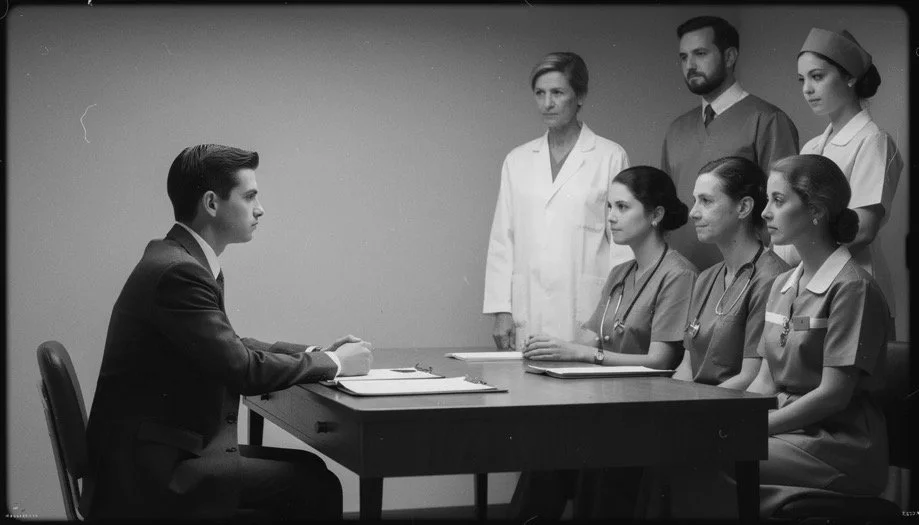

Interviews are a crucial step in UK medical school admissions, coming after your UCAS application and admissions tests. They give universities a chance to assess not just your academic ability, but who you are as a person and future doctor. Whether you face a traditional panel interview or a modern Multiple Mini Interview (MMI), the questions will cover a range of themes to evaluate your motivation, personal qualities, ethics, communication skills, and awareness of the medical profession. In the UK, most medical schools receive at least 10 applications per place, so interviews are competitive – but with preparation, you can stand out. 😊
What to Expect: UK medical school interviews come in different formats. Panel interviews usually last ~20–30 minutes and involve 2+ interviewers (e.g., doctors, academics, or even a senior student) asking questions in a semi-structured conversation. Multiple Mini Interviews (MMIs) involve a circuit of short stations (5–10 minutes each), each presenting a specific scenario or question to assess a particular attribute. Some stations might be question-based (similar to a panel question on your motivation or work experience). In contrast, others could be practical tasks or role-plays (e.g. explaining a concept or responding to an actor). Regardless of format, UK interviewers assess similar core qualities: as the Medical Schools Council notes, qualities such as motivation, resilience, honesty, teamwork, and communication are key. Interviewers also look for alignment with NHS values (e.g. respect, dignity, compassion, quality of care) and the GMC’s Good Medical Practice guidelines (e.g. integrity, patient-centred care)
How to Succeed: To excel, be prepared to structure your answers clearly and back up points with real examples from your life (work experience, volunteering, school roles). A useful method for answering experience-based questions is the STARR framework (Situation, Task, Action, Result, Reflection) – it ensures you explain what you did and what you learned. For ethical scenarios, remember the Four Pillars of Medical Ethics (Autonomy, Beneficence, Non-maleficence, Justice) as a guide. Above all, be honest, positive and reflective in your answers. The interview is not an interrogation but a conversation to understand your fit for medicine. Let’s now explore common questions by theme, with tips and example answers!
Motivation & Why Medicine 🎯
One of the first themes is your motivation for studying medicine. Interviewers want to know why you have chosen this challenging path and whether your desire to be a doctor is genuine and well-informed. They are probing for evidence that you have thought deeply about your decision, have a realistic understanding of a medical career, and are passionate for the right reasons. Strong answers balance your personal inspiration with evidence of practical exploration, and they acknowledge the realities of being a doctor. Importantly, if you say “I want to help people,” explain why as a doctor specifically (and not another caring role)
Common questions in this theme include: “Why do you want to be a doctor?” “When did you decide on medicine?” “Why not another healthcare profession (like nursing or research)?”, and “What have you done to confirm medicine is right for you?” Essentially, “Why Medicine?” is almost guaranteed to be asked in some form, so prepare for it thoroughly.
✔️ Marking criteria for motivation questions: Interviewers will look for:
A genuine, personal reason for studying medicine (your own choice, not just family expectation).
Insight into the role of a doctor and the challenges it entails (not idealising the profession).
Examples of experiences that solidified your decision, such as volunteering or shadowing, showing you’ve “tested” your interest.
An understanding of how being a doctor differs from other roles – e.g. responsibility for diagnoses and leading healthcare teams (while still valuing those roles).
Enthusiasm for lifelong learning in science and working with people (medicine combines both).
Sample Question: “Why do you want to be a doctor?”
Example Answer: “I’ve wanted to be a doctor ever since volunteering at a local care home during my A-levels. I loved science at school, especially learning about the human body. Still, it was interacting with residents at the care home that truly inspired me – I saw how a doctor’s compassion and expertise can dramatically improve someone’s quality of life. For example, one resident with dementia often became anxious, and I observed the GP on call skilfully calm her by speaking kindly and adjusting her treatment. It struck me that medicine isn’t just about curing disease, but also about caring for people in their most vulnerable moments. I am motivated by the idea of combining my passion for science with direct help for people. I know being a doctor is challenging – it involves long training, hard decisions, and sometimes working through the night – but through my work experience, I saw that the rewards outweigh the sacrifices, as the job is so fulfilling. Ultimately, I want to become a doctor to make a positive difference in others’ lives, continually learn, and be part of a profession that aligns with my values of compassion, lifelong learning and service.”
✔️ Marking Criteria for this answer: The candidate articulates personal reasons clearly (volunteering experience sparked motivation). They show an understanding of both the “helping people” aspect and the scientific aspect of medicine. They give a concrete example (GP calming an anxious patient) to demonstrate insight into a doctor’s role. They acknowledge challenges (long training, night shifts) while maintaining enthusiasm. They also reflect NHS/medical values, such as compassion and lifelong learning. This answer would score highly for honesty, reflection, and well-roundedness.
Sample Question: “Why not nursing or another healthcare career?”
Example Answer: “I have the utmost respect for nurses and other health professionals – during my hospital work experience, I saw firsthand that healthcare is a team effort. In fact, I considered other roles; for example, I shadowed a nurse and a pharmacist to understand their work. However, I realised that I’m especially drawn to the diagnostic and decision-making responsibilities of doctors. I enjoy leadership when appropriate – like during a school science project, I took charge of coordinating our experiment – and I see the doctor as someone who leads the team, makes complex decisions, and takes ultimate responsibility for patient care. I also love the idea of following a patient’s long-term journey and adapting treatments. While all healthcare roles involve helping people, a doctor’s role aligns best with my interests in problem-solving, taking responsibility for tough calls, and continuing research alongside patient care. For instance, the doctor I shadowed explained how he diagnoses by piecing together clues from history, exam, and tests – I found that investigative aspect fascinating. I believe I’ll thrive in that role while working closely with nurses, pharmacists, and others, because good healthcare is collaborative.”
✔️ Marking Criteria: The candidate handles this question sensitively, showing respect for other professions (no belittling). They identify what is distinct about a doctor’s role – e.g. diagnosing, leading the team, ultimate accountability – and connect it to their own skills or preferences. They give an example of leadership and problem-solving. This demonstrates insight into different roles and a well-considered decision, which interviewers will appreciate. The answer remains humble and team-oriented, which is important since medicine is multidisciplinary.
🎥 Ready to Ace Your Medical or Dental MMI?
Practise exactly how universities assess you — calmly, confidently, and under real conditions.
- ✔️ Realistic MMI stations written by experienced medics & dentists
- ✔️ Live mock circuit with real exam timing
- ✔️ Personalised feedback to help you improve quickly
- ✔️ Ethics, communication & role-play fully covered
- ✔️ Build confidence, structure and clarity
Limited places • Trusted by medical & dental applicants across the UK
Preparation & Work Experience 🔍
UK medical schools expect applicants to have gained work experience or volunteered to understand what a medical career involves. Interviewers will almost certainly ask about your experiences and what you learned. They want to see that you have reflected on these opportunities – it’s not about how impressive your placement was, but what skills and insights you gained from it. This theme also covers how you’ve prepared yourself generally, including any extracurricular activities, courses, or wider reading that demonstrate your commitment to medicine.
Common questions: “What have you gained from your work experience or volunteering?”, “How have you prepared for a career in medicine beyond your studies?”, “Tell us about a situation you observed during your work experience.”, “What did you do in your gap year (if any) and why?”. Essentially, anything on your UCAS personal statement – such as hospital shadowing, a part-time job, caring for a relative, attending a summer school – is fair game. Be ready to discuss it and reflect on it.
✔️ Marking criteria for work experience questions:
Describe specific experiences (hospital shadowing, care home volunteering, St. John Ambulance, etc.) and your role in them (e.g. tasks you did, people you interacted with).
Highlight skills developed or insights gained: e.g. communication skills from talking to patients, resilience from seeing tough situations, confirmation of your motivation, etc.r.
Connect these lessons to how they will help you as a future medical student/doctor. (For example, witnessing teamwork on a ward taught you the importance of clear communication between doctors and nurses.)
Show honesty and reflection: perhaps mention challenges or surprises you encountered and how you dealt with them or learned from them.
If asked about a gap year or extracurriculars, emphasize productive use of time and personal growth (for instance, working as a healthcare assistant, or even non-medical work that taught responsibility).
Sample Question: “What have you gained from your work experience?”
Example Answer: “Over the past year, I volunteered one day a week at a local hospice. Initially, I helped serve tea and chatted with patients. It was challenging at first because I felt unsure how to comfort someone in pain, but I learned how to listen actively and just be present for patients. One gentleman with terminal cancer opened up to me about his life when I simply sat and listened – that taught me the value of empathy and patience. I also observed the multi-disciplinary team meetings at the hospice: seeing doctors, nurses, and social workers discuss the best care plan for a patient showed me teamwork in healthcare and how each role contributes. This experience improved my communication skills (I became more confident talking to people from all walks of life) and reinforced my desire to be a doctor. I realised that being with patients during tough times is just as important as the medical treatments. I believe these skills – listening, empathy, teamwork – will be crucial in medical school and as a future doctor.”
✔️ Marking Criteria: The candidate details their role (volunteering at a hospice) and specific interactions, demonstrating personal growth in comfort with patients. They explicitly mention skills gained (active listening, communication, empathy) and link them to the qualities of a good doctor. They also show insight into healthcare teamwork. The answer feels sincere (mentions initial challenge and how they overcame it) – interviewers value this honesty and reflection.
Sample Question: “How have you demonstrated your commitment to medicine (outside academics)?”
Example Answer: “I’ve tried to immerse myself in healthcare environments and learning opportunities. For example, I spent two weeks shadowing a GP, where I observed patient consultations and the day-to-day routine of primary care. I asked the GP lots of questions afterwards, such as how she manages patients who need more time or have multiple issues – from this I learned about prioritisation and the importance of empathy in general practice. I also volunteered as a first aider with St. John Ambulance at weekends. During events, I dealt with minor injuries, which taught me to stay calm under pressure and gave me a little taste of clinical responsibility (under supervision). Additionally, I joined my school’s medical society – we invited guest speakers (like a junior doctor) and discussed NHS hot topics like mental health services. This helped me stay updated and develop opinions on healthcare issues. All these activities weren’t just to “look good”; they genuinely helped confirm that I love working with people and that I’m fascinated by medicine as a career. They also showed me that medicine requires teamwork, good communication, continuous learning – all things I’ve started building and look forward to developing further.”
✔️ Marking Criteria: This answer shows a breadth of preparation: shadowing (with reflection on what was learned), volunteering with hands-on responsibility, and independent learning (medical society). The candidate highlights relevant skills (prioritisation, calmness under pressure, teamwork, communication) gained through these experiences. They tie everything back to motivation (“confirm I love working with people and science”). It demonstrates a proactive attitude and genuine interest, which interviewers will rate positively.
Teamwork & Communication 🤝🗣️
Medicine is a team sport. Doctors constantly work in multidisciplinary teams – with other doctors, nurses, allied health professionals, and support staff – and must communicate effectively with colleagues and patients. It’s no surprise that interviewers will assess your teamwork and communication skills. They might ask for examples from your past where you collaborated with others or resolved conflicts. They could also pose hypothetical scenarios to test how you would communicate as a doctor (for instance, “How would you explain a complex medical term to a patient?” or “How would you handle a disagreement with a teammate?”). Essentially, they want evidence that you can listen, express yourself clearly, and work well with others. They are not looking for lone heroes – they want team players who appreciate others’ contributions.
Common questions: “Tell us about a time you worked effectively in a team.”, “Give an example of a leadership experience.”, “Describe a situation where you dealt with conflict in a team.”, “What makes a good team?”, “Why is communication important in medicine?”, or scenario-based questions like explaining something to a patient or calming an upset person. Communication and teamwork often intertwine, so we group them here.
✔️ Marking criteria for teamwork/communication questions:
Provide a specific example (STARR framework helps: describe the Situation/Task briefly, then Actions you took, the Result, and any Reflection).
Emphasize your personal contribution (“I did X”, not just “we did X”) – what role did you play in the team? (Were you a coordinator, a mediator, a supportive member?)
Show positive teamwork behaviours: listening to others, dividing tasks, encouraging team members, resolving issues calmly. For conflict, mention understanding others’ viewpoints and finding compromise.
For communication, highlight clarity, empathy and adapting to your audience (e.g. simplifying jargon for a non-specialist). Perhaps mention an instance of clear communication you demonstrated, or why it’s vital (to avoid errors, build trust, etc.).
If it’s a leadership example, focus on how you led: setting a vision, keeping the team motivated, being inclusive – rather than just saying “I was the captain.” Show that you understand leadership is more than a title.
Maintain a respectful tone: if discussing conflict, no personal attacks – show professionalism and problem-solving.
Sample Question: “Tell us about a time you worked in a team.”
Example Answer: “In Year 12, I was part of a team of six students organising a charity bake sale for our school. My role was unofficially the coordinator, since I had prior fundraising experience. Initially, everyone had different ideas, and some classmates were quieter, so I suggested we meet and brainstorm together. I made sure to invite input from everyone – for example, one quiet team member had a great idea for online promotion, and we only learned this after I specifically asked for her thoughts. We divided tasks based on our strengths: I handled logistics (booking the stall space and schedule), two talented bakers made the goods, another friend who’s artistic created posters, etc. On the sale day, we hit a snag when a scheduling mix-up left our table without coverage during lunch. I took the initiative to problem-solve: I quickly called a friend outside the team to help temporarily, while I covered for another member who was in an exam. In the end, our sale was a success – we raised £300 for charity – and afterwards I led a quick team debrief to thank everyone and note what we could improve next time (like better scheduling). From this experience, I learned that clear communication, proactive planning, and making sure everyone feels heard are key to effective teamwork. I also realised how rewarding it is when a team comes together towards a common goal – a feeling I look forward to in future healthcare teams.”
✔️ Marking Criteria: This answer uses a clear example (school charity project) and explains the candidate’s specific role (coordinator). They demonstrate good teamwork behaviours: encouraging quieter members to contribute, delegating tasks based on strengths, and handling challenges calmly. They mention the positive result (raised funds) and reflect on lessons learned (importance of communication and planning). The answer shows initiative and inclusivity, which interviewers love to see. It also feels genuine – not claiming everything was perfect, but explaining how they dealt with an issue constructively.
Sample Question: “How would you handle conflict in a team?”
Example Answer: “If I were in a team with a conflict, for example, two team members disagreeing on how to approach a project, I would first ensure we stay respectful and focused on the issue, not personal attacks. I’d probably take a step back and encourage a calm discussion – maybe ask each person privately or in a meeting to explain their perspective while the rest of us listen. It’s important to acknowledge each viewpoint so everyone feels heard. Then I’d try to find common ground or criteria for the decision. For instance, in a science club project, we had a clash over which experiment to present – I suggested we choose the one that best met the assignment criteria and our time frame. By reframing it around our shared goal (getting a good result and learning), we defused the tension. If needed, I’d be willing to compromise or combine ideas and ensure we agree on a plan going forward. Finally, after resolving it, I’d keep an eye on the team’s mood – maybe check in later to make sure no one is still upset. In summary, I would handle conflict by staying calm, facilitating open communication, finding a fair solution, and maintaining a positive team atmosphere. This is similar to how healthcare teams must function – focus on the patient’s best interest and work through differences professionally.”
✔️ Marking Criteria: The candidate outlines a sensible, step-by-step approach to conflict: stay respectful, listen to both sides, find shared goals/criteria, seek compromise. They demonstrate emotional intelligence (checking in on feelings, defusing tension) and professionalism. Even though this was phrased as a hypothetical, they inserted a quick example from a real scenario (science club), which strengthens the answer. Interviewers would note that the applicant values team cohesion and patient-centred focus, which is precisely what’s needed in medical settings. The answer shows maturity and problem-solving in interpersonal dynamics.
Sample Question: “Why is communication important in medicine?”
Example Answer: “Communication is often called the cornerstone of medicine – and I believe that’s true for several reasons. Firstly, as a doctor you need to communicate well with patients to achieve patient-centred care. This means explaining diagnoses and treatments in clear, simple language so patients understand their options. For example, during my work experience, I saw a doctor use an analogy to explain high blood pressure to a worried patient – he compared it to “pipes under too much pressure,” which the patient later said made it easier to grasp. Good communication also involves listening: taking time to listen to patients’ concerns or even what they are not saying (non-verbal cues) can lead to better care and trust. Secondly, within the healthcare team, miscommunication can cause serious errors. Doctors need to communicate accurately with colleagues, whether that’s writing clear notes, handing over patients properly, or speaking up if something’s wrong. For instance, in hospitals, they use structured handovers (like the SBAR format) to ensure no information is missed. Lastly, empathy is a part of communication – things like tone of voice and body language matter. A doctor who communicates with empathy can put a patient at ease, especially when delivering bad news or when a patient is anxious. Overall, effective communication improves patient outcomes, safety, and the working of the whole team. It’s a skill I’m continually working on – such as by practising presentations at school and volunteering on a helpline – because I know how vital it is in medicine.”
✔️ Marking Criteria: This answer explains the importance from multiple angles: patient understanding (and an example of simplifying language), teamwork and safety, and empathy. It uses appropriate terms (“patient-centred care”, structured handovers) showing the candidate has insight into medical practice. Providing a real anecdote (blood pressure analogy) makes it concrete. The answer also reflects that the candidate is actively developing communication skills, which shows self-awareness. Interviewers would be pleased to see such a comprehensive understanding of communication in healthcare.
Ethics & Ethical Scenarios ⚖️
Medical interviews in the UK almost always include ethical questions or scenarios. Don’t worry – they’re not expecting you to have the moral authority of a senior doctor. They are expecting you to demonstrate ethical reasoning: i.e. that you can consider different viewpoints, apply basic ethical principles, and show respect for patient choices and the law. Common topics include patient confidentiality, consent, resource allocation, controversial issues (like abortion or euthanasia), and professional integrity. You might be given a dilemma (for example, “Would you prescribe the contraceptive pill to a 14-year-old?” or “What would you do if you saw a colleague do something unethical?”), or be asked your opinion on an issue (like “What do you think about euthanasia?”).
The key is to remember there is often no “right” answer – what matters is that your answer is well-reasoned and balanced. Interviewers want to see that you can think critically about the grey areas of medicine and that you understand doctors must work within an ethical framework (like the GMC guidelines and UK law), sometimes even if it conflicts with personal beliefs.
Common questions: “What are the ethical issues in [given scenario]?” “Would you ever break patient confidentiality? Give an example.”, “What’s your view on abortion/euthanasia (or another ethical debate)?”, “If a 15-year-old patient asked for contraception and didn’t want their parents to know, what would you do?” “Is it ever acceptable for a doctor to lie to a patient?” “How would you allocate a single donor organ to one of several patients?” and so on. Some stations might involve role-play (e.g. breaking bad news), which also tests ethical and empathy aspects.
✔️ Marking criteria for ethics questions:
Identify the ethical principles or values involved. A useful reference are the Four Pillars: Autonomy (respect for patient’s choices), Beneficence (acting in patient’s best interest), Non-maleficence (do no harm), Justice(fairness in distribution of resources or treatments). Not every scenario neatly involves all four, but consider which are most relevant.
Mention any relevant laws, guidelines or professional duties: e.g. the age of consent and Gillick competence for treating minors, the GMC’s stance on confidentiality, the NHS Constitution values (like everyone being treated with respect and equality). This shows awareness that doctors follow established standards.
Discuss both sides of a debate or scenario where applicabler. For example, if asked about euthanasia, acknowledge arguments for and against, even if you have a personal opinion. If it’s a scenario like the 14-year-old on the Pill, consider reasons for prescribing (prevent pregnancy, respect her autonomy if mature) and reasons against or concerns (legal issues, safeguarding, encourage involving a parent, etc.).
Show empathy and professionalism. Even in a hypothetical scenario, imagine the people involved as real individuals and consider their feelings/rights. Also state what action you might take, ensuring it’s in line with a doctor’s duty (e.g. seek advice from a senior or follow protocols if unsure).
Avoid extreme positions. Generally, avoid saying “I would never do X” or “I would always do Y” without nuance, as most ethical dilemmas require context. Similarly, avoid letting personal beliefs dominate – emphasize the patient’s rights and the law.
Conclusion or decision: After considering different angles, try to give a reasoned conclusion or the action you’d take, and why. Even if you personally lean one way, you can say “On balance, I would do X because…”. The interviewers mainly want to see your thought process.
Sample Question: “Would you prescribe the oral contraceptive pill to a 14-year-old girl who is sexually active with her boyfriend?”
✔️ Marking Criteria: This answer does a good job covering multiple perspectives. The candidate identifies the lack of a black-and-white answer and systematically discusses relevant factors: legal age, Gillick competence, guidelines (Fraser), ethical principles (autonomy vs. protection) and the importance of safety. They mention confidentiality and safeguarding, showing they understand confidentiality can be compromised if someone is in danger. They demonstrate empathy towards the girl (treating her with respect and offering advice) and a responsible approach (documenting and following up). This balanced reasoning is exactly what interviewers look for in ethics questions.
Sample Question: “What do you think about euthanasia?”
✔️ Marking Criteria: The candidate presents a balanced discussion, acknowledging both the autonomy/compassion argument and the do-no-harm/protection argument. They correctly state the legal position in the UK (illegal), which shows awareness of the law. They incorporate personal reflection from experience (hospice volunteering), which adds sincerity. Importantly, they conclude by emphasising the doctor’s duty as it stands (focus on palliative care, follow professional guidance) and empathising with patients. This measured approach – considering for and against and emphasising patient welfare and legal duties – would score well on an ethical question about a controversial topic. It shows the applicant can handle nuance and keep the patient’s best interests at heart.
NHS & Healthcare Awareness 🏥🌐
UK medical schools want applicants who are not only academically able but also aware of the healthcare environment they will be joining. Expect questions that test your understanding of the NHS (National Health Service), current healthcare issues, and how you stay informed. This isn’t to grill you on policy details, but to ensure you have a basic awareness of the context of medicine in the UK. After all, doctors don’t work in a vacuum – they work in a complex system that has specific values, challenges, and current debates.
Common questions: “What do you feel are the biggest challenges facing the NHS today?” “How do you think the UK’s healthcare system will change in the next 20 years?” “If you had £1 billion to spend on healthcare, what would you do with it?” “What is the difference between primary and secondary care?” “What is the ‘postcode lottery’ in healthcare?” “Tell me about a recent medical innovation or news story that caught your attention.”, “How do you keep up with medical news?” You may also encounter scenario-based policy questions, such as allocating resources (e.g., the last ICU bed scenario).
✔️ Marking criteria for NHS awareness questions:
Knowledge of basic NHS structure and terms: e.g. knowing that primary care is GP and community services, secondary care is hospital/specialist care; understanding the concept of the NHS being free at the point of use, funded by taxation, etc.
Awareness of current challenges the NHS faces. Typically, these include: funding constraints (demand outpacing budget), staff shortages (shortfall of doctors, nurses leading to burnout and longer waits), long waiting times/backlogs (especially after COVID-19), an ageing population with complex needs, and advancements in medicine that cost more (or public health challenges like obesity, mental health). You don’t need to memorise dozens of stats, but one or two figures or examples can be helpful (e.g. “waiting list of over 7 million patients” or “the NHS is currently short of thousands of doctors and nurses”).
Knowledge of NHS values or initiatives: The NHS Constitution enshrines values like working together for patients, respect and dignity, compassion, improving lives, commitment to quality of care, and everyone counts. You might weave in, for example, that you believe in those values and thus support the NHS’s principles.
If asked about the future or improvements, show a solutions-oriented mindset: acknowledge issues but also mention initiatives or ideas (e.g. investment in training new staff, adopting technology like telemedicine, preventive care strategies, mental health focus). For example, knowing that there’s a plan to increase medical school places, or that digital innovations like AI in diagnostics are being developed, could be worth mentioning.
Balanced perspective: If discussing problems, avoid just ranting negatively. Show you appreciate the NHS (e.g. its core principle of free healthcare for all) while understanding it’s under pressure. If discussing something political or controversial (like doctors’ strikes), demonstrate you see multiple viewpoints (e.g. why staff felt the need to strike, and the impact on patients).
Use any personal or local insights: maybe something from the news or your own community (e.g. a new hospital opening or an experience you had as a patient) to ground your answer. This isn’t required, but it can show genuine engagement.
Sample Question: “What are the biggest challenges facing the NHS today?”
✔️ Marking Criteria: This answer identifies multiple key challenges (staff shortages, funding/demand mismatch, waiting times/backlog, ageing population, morale) with a couple of specifics (size of waiting list, reference to strikes). It shows the candidate is up to date on current events (e.g., COVID backlog, strikes) and can discuss them constructively (not just complaining, but acknowledging efforts to fix issues). They also reinforce a positive view of the NHS’s values. The structure is clear: listing challenges and briefly explaining each. This would demonstrate to interviewers that the applicant is informed and has a realistic yet positive mindset – crucial for future medics.
Sample Question: “What is the difference between primary care and secondary care?”
✔️ Marking Criteria: The candidate clearly defines primary vs secondary care, even giving examples. They use simple language (community vs hospital, generalist vs specialist), which shows they understand it well enough to explain – a good sign. Mentioning GPs and the referral system demonstrates understanding of the NHS workflow. They even throw in awareness of tertiary care and coordination challenges, which is bonus depth. Interviewers would likely be satisfied with this concise explanation, as it hits the expected knowledge points.
Sample Question: “What do the terms ‘postcode lottery’ mean in healthcare?”
✔️ Marking Criteria: The answer correctly explains the term and why it matters, referencing that NHS trusts decide on local spending, leading to variation. It provides an example (IVF) to illustrate the concept. This shows the candidate can connect terminology to real-world implications. They also subtly show support for NHS principles of equity, which is good. Overall, it demonstrates awareness of the healthcare system without relying on too many statistics.
Resilience & Coping 💪
A career in medicine is rewarding but undeniably demanding. Medical schools need to know that applicants have the resilience to cope with stress, setbacks, and the pressures of training and practice. They are interested in how you manage your well-being and work-life balance, and whether you have healthy coping mechanisms. This theme might also include questions about how you handle failure or what you’d do if things don’t go to plan (for example, if you don’t get into medicine this year). Essentially, they want to see that you are self-aware, can handle stress, and won’t burn out at the first hurdle.
Common questions: “How do you cope with stress?”, “What do you do to relax/unwind outside of academics?”, “Medicine can be very stressful – how will you manage it?”, “What do you anticipate will be the biggest challenge for you in medical school, and how will you overcome it?” “Tell us about a challenge or setback you have faced and how you dealt with it.”, “What will you do if you are not accepted to medical school?”. These questions assess your coping strategies and planning.
✔️ Marking criteria for resilience questions:
Show that you have interests and outlets outside study, and you understand the importance of balance(“doctors need to be people too”). This might include hobbies, sports, creative activities, socialising, etc., which help you de-stress.
Mention specific techniques or habits you use to cope with stress: e.g. time management (making timetables), exercise, talking to friends/family, mindfulness, breaks and rewards for yourself, etc. Frame it positively (stress can be managed) rather than saying “I never get stressed.”
If talking about a setback or failure, be honest about the experience, but crucially highlight what you learned and how you improved from it. They want to see you can bounce back and learn, not dwell or blame others.
Acknowledge that medical school will have challenges (heavy workload, exams, emotional situations) and proactively consider how you will handle them – e.g., by staying organised, seeking support from peers/tutors, and keeping up your hobbies for balance.
For the question about not getting in, show you’re determined but realistic: you have a backup plan (like taking a gap year to get more experience and reapply, or studying a related subject and then doing graduate entry), so you won’t be crushed by one setback. And reaffirm your commitment to eventually becoming a doctor.
Convey optimism and responsibility for your own well-being. They like to see candidates who are proactive and positive in the face of stress, rather than those who are easily overwhelmed.
Sample Question: “How do you cope with stress?”
✔️ Marking Criteria: This answer demonstrates a range of healthy coping mechanisms: time management, exercise, hobbies, social support. The candidate comes across as balanced and mature, acknowledging stress exists but showing confidence in handling it. Mentioning specific routines (e.g., revision timetable, football) makes it more credible. They also nod to plans (medical school stress) to show foresight. Interviewers would see this as a strong answer because it indicates the applicant is unlikely to crumble under pressure and knows how to take care of their mental health.
Sample Question: “What will you do if you are not accepted to medical school this year?”
✔️ Marking Criteria: The candidate shows realism and determination. They acknowledge the competitiveness (10 applicants per place, as often cited) and present a constructive plan. They discuss improving academics, gaining more experience, and possibly taking an alternate route like another degree (which demonstrates they have researched options). They frame it positively (“delay, not an end”) and relate it to resilience – showing they won’t be easily discouraged. Interviewers will appreciate that this person has thought ahead and would not fall apart if rejected; instead, they’d come back stronger. It indicates emotional maturity and commitment to medicine.
Reflection & Self-Improvement 🤔🔄
Reflection is a crucial skill for medical professionals – doctors must constantly reflect on their performance, learn from mistakes, and seek improvement. Medical school interviewers therefore value candidates who are self-aware, humble, and eager to improve themselves. In this theme, you may be asked about your own strengths and weaknesses, or to reflect on feedback or an event in your life that prompted growth. They might also ask how you handle criticism or to give an example of a time you made a mistake and what you learned. Remember, nobody is perfect, and they’re not looking for a pretence that you are. They prefer someone who can honestly assess themselves and is willing to improve – a vital trait for a doctor in training.
Common questions: “What are your best and worst qualities?”, “What is your greatest weakness?”, “Tell me about a weakness and how you’re addressing it.”, “Describe a failure or setback you have experienced. What did you learn from it?”, “How do you handle feedback and criticism?”, “Can you give an example of a time you received constructive criticism?”, “How have you grown or changed in the last few years?”. Some of these overlap with resilience (failure, setbacks), but here the emphasis is on learning and improving, not just coping.
✔️ Marking criteria for reflection questions:
Honesty: Don’t claim you have no weaknesses – that’s not believable. Choose a real weakness (preferably not a catastrophic one that would be really concerning, but something genuine like difficulty delegating, or public speaking nerves, or being overly self-critical, etc.).
More importantly, show what you’re doing to improve that weakness. For example, “I tend to be disorganised, but I now use a planner and set reminders, which has helped.” This turns your weakness into a story of improvement. Interviewers want to see proactiveness and the ability to change.
For strengths, you can mention a couple that are relevant to medicine (e.g. empathy, curiosity, persistence, good teamwork), but stay humble – maybe anchor them in examples rather than just bragging.
If talking about a failure or mistake, briefly describe what happened (taking responsibility if appropriate, not making excuses), then focus on what you learned and how you changed your behaviour as a result. This shows resilience and growth.
Show that you welcome feedback: perhaps mention an instance when someone (a teacher, coach, etc.) gave you constructive criticism and how you acted on it to improve. This demonstrates that you will be receptive to feedback during medical training, which is heavily supervised and corrective.
Keep the tone positive: even when discussing something negative about yourself, frame it as “I’m aware of it and here’s how I’m working on it.” And often, mention that you periodically reflect or review your progress (this implies continuous self-improvement).
Sample Question: “What are your best and worst qualities?”
✔️ Marking Criteria: The answer gives a couple of genuine strengths with examples (approachability, adaptability) and ties them to medicine. For the weakness, the candidate picks something real (self-criticism) but not alarming. They show insight into how it affects them and, importantly, outline steps taken to improve (perspective-taking, mentor’s advice). They end on a positive note that the very act of reflection is a strength. This demonstrates honesty and growth. Interviewers would note that the applicant is not arrogant (since they freely discuss a weakness) and is working on self-improvement, which is exactly what they want to see.
Sample Question: “Tell us about a time you failed or made a mistake. What did you learn?”
✔️ Marking Criteria: The candidate recounts a specific failure (failing a test) and takes responsibility for it (didn’t prepare, overcommitted). They then detail proactive steps to improve (e.g., talking to the teacher, improving study habits) and show a tangible result (an improved score). They explicitly state what they learned (study strategies, not overloading, seeking feedback). This shows the interviewers that the applicant can recover from setbacks constructively and is not afraid to acknowledge shortcomings. Importantly, they tie it to the future (“carry into medical school”), demonstrating insight that medicine will also involve continuous learning and error correction. This reflective attitude is precisely what interview panels hope to find.
As you prepare for your medical school interviews, remember that both content and structure are essential. Practise speaking your answers out loud, perhaps using bullet points of the key ideas you want to cover for each question. Stay up to date with healthcare news (reading sources like Student BMJ or the health section of BBC News can be helpful). And don’t forget the basics: smile, make eye contact (if in person or on camera), and be courteous. It’s normal to be nervous, but the interview is your opportunity to shine beyond your application on paper.
Finally, be yourself – the goal is not to recite robotic answers, but to show your authentic motivations, personality, and potential as a future medical student. With thorough preparation and a calm mindset, you can walk into that interview feeling confident and ready to tackle whatever questions come your way. Good luck! 🍀
References
Royal College of Surgeons England – “Medical School Interview Questions” (comprehensive list of common questions and answer tips) rcseng.ac.uk
Blue Peanut Medical – “Top UK Medical School Interview Questions and How to Answer Them” (in-depth frameworks and insights on what interviewers look for) bluepeanut.com
Medical Schools Council – “Interviews” (overview of interview formats like MMI vs panel and their purposes) medschools.ac.uk
House of Commons Library – “NHS Key Statistics (England)” (provides data on waiting lists, A&E times, staffing levels as of 2025) commonslibrary. parliament.uk
NHS Constitution for England – core NHS values (e.g. respect, dignity, compassion, quality of care) that can be referenced in answers bluepeanut.com.
Medical Schools Council – “Guidance on relevant work experience” (emphasises reflecting on what you learned from experiences)rcseng.ac.uk.