MMI Ethics Stations for Medical School Interviews: Example Scenarios and How to Structure Your Answer
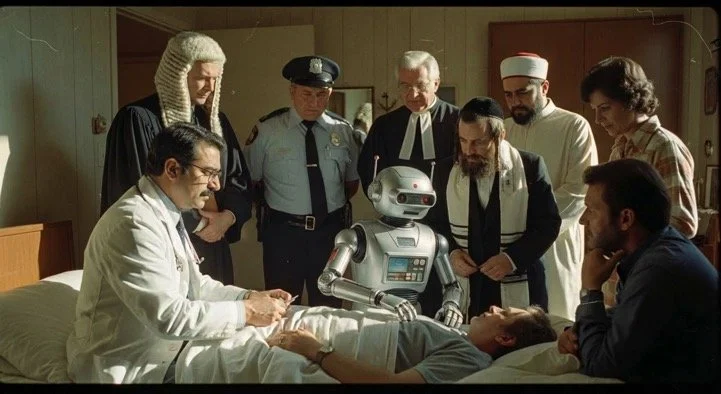

Applying to study Medicine in the UK means you’ll likely face MMI ethics stations as part of your interview. MMI stands for Multiple Mini Interviews – a series of short interview stations, each assessing different skills or qualities. An ethics station presents you with a moral or ethical dilemma related to healthcare, and you must discuss how you’d respond. Most UK medical schools – from newer programmes to top universities like Imperial College London and the University of Birmingham – include a dedicated ethics scenario in their interview process. At these stations, there is often no single “right” answer; instead, interviewers assess how you think, communicate, and uphold the values expected of a good doctor.
In this comprehensive guide, we’ll explain what MMI ethics stations are and why they’re used, explore common ethical scenarios you might encounter, and show you how to structure a strong answer. We’ll also highlight key ethical principles (like the famous “four pillars” of medical ethics) and provide tips to help you avoid common pitfalls. By the end, you should feel more prepared to tackle any ethics station with confidence and professionalism. Let’s dive in!
What Is an MMI Ethics Station?
An MMI ethics station is a short interview scenario focusing on an ethical dilemma. It typically lasts about 5–7 minutes, during which you might be presented with a scenario (in written form or by an interviewer) and asked how you would respond or what your opinion is. For example, you could be asked to discuss how you’d allocate a life-saving treatment when only one patient out of several can benefit, or what you would do if a patient refuses a critical treatment. The goal isn’t to test your clinical knowledge (you’re not expected to be a medical expert yet), but rather to see if you can think logically and ethically about a challenging situation and communicate a balanced, well-reasoned response.
Why do medical schools include ethics stations? They want to see that you have the moral reasoning and values needed to be a responsible doctor. As the Medical Schools Council (MSC) notes, qualities like integrity, honesty, empathy, and respect are crucial in medicine, and interviews give you a chance to demonstrate these. An ethics scenario puts your reasoning and character on display: How do you handle difficult decisions? Do you empathise with patients? Can you appreciate different viewpoints and do the “right” thing under pressure? These stations also assess your understanding of medical ethics principles and whether you can apply them in practice.
Importantly, ethical dilemmas often have no single correct answer. Instead, what’s “correct” is your approach – showing that you recognise the complexity, consider both sides of the issue, use a framework (like ethical principles or guidelines) to reason it through, and remain calm and compassionate. Medical schools use this to gauge if you have the decision-making approach of a safe and ethical practitioner. As one official guide explains, ethical questions are designed to assess “the moral considerations doctors apply when making medical decisions” and how you justify your decisions. In other words, they care how you think, not what specific conclusion you reach (since often there isn’t one clear answer).
Key Principles of Medical Ethics (The Four Pillars) 💡
Before tackling any ethics question, it’s essential to know the four fundamental pillars of medical ethics. These are core principles that doctors use to guide decision-making, and they often underpin ethical discussions in interviews. Interviewers love to see candidates refer to these pillars because it shows you’re thinking like a future medical professional. Let’s briefly define each principle in simple terms:
Autonomy 🤝
Respecting the patient’s right to make their own decisions about their care. (Doctors should empower patients to choose, provided the patient has the capacity to decide.) For example, a patient has the autonomy to refuse a treatment even if it’s against medical advice – and we should generally honour that choice.
Beneficence ❤️
Acting in the patient’s best interest. This means doing good for the patient – providing treatments or interventions that benefit them. We must ask, “What course of action will most help this patient?”
Non-maleficence 🚫
“Do no harm” Doctors should avoid causing harm or injury to a patient. This includes not giving treatments that have no benefit or could cause more harm than good.
Justice ⚖️
Ensuring fairness. In healthcare, justice means fair allocation of resources and fair treatment for all patients. For instance, we should treat patients equally and make decisions about who gets a scarce treatment based on justified criteria, not bias.
These four pillars are the foundation of medical ethics. In practically any scenario, you can use them as a checklist or framework. Interviewers expect you to be aware of them– and if you explicitly mention relevant pillars in your answer, it shows strong ethical awareness (it might even impress the interviewer). For example, if discussing a patient who refuses treatment, you might say: “We have to respect the patient’s autonomy, even if refusing the treatment isn’t what we’d medically recommend. However, beneficence and non-maleficence make me concerned that not treating will harm them. I need to balance these principles.” By structuring your thinking around the pillars, you demonstrate a systematic approach to ethics.
Besides the four pillars, be aware of other important ethical concepts like consent (a patient’s agreement to treatment), capacity (a patient’s ability to understand and make decisions), and confidentiality (keeping patient information private). In specific scenarios (for example, involving children or unconscious patients), mentioning consent and capacity is crucial – and can earn you points for insight. Likewise, understanding guidelines (for instance, what the General Medical Council (GMC) or NHS policies say) can be very helpful in formulating your answer. You don’t need to know every rule by heart, but showing that you’d consult professional guidelines for tricky situations is a wise move.
Get interview-ready — the smart way
Choose the support that matches your stage: structured learning, realistic practice, or both.
Taught in person by Dr Mannan — fully qualified NHS doctor, undergraduate tutor at 3 UK medical schools, and a former MBChB admissions assessor.
Learn directly from someone who knows what interviewers look for — and how candidates are scored.
Want the fastest progress? Combine the Interview Course (strategy + frameworks) with Mock MMI Circuits (timed practice + feedback) for maximum confidence.
Common Ethics Scenarios in Interviews 🔍
Ethical dilemmas in MMIs can cover a wide range of themes. You can’t predict exactly what scenario you’ll get, but there are recurring topics that UK medical schools tend to use. Below are some example scenarios and the issues they explore. As you read them, consider which ethical principles might be involved:
Allocation of Limited Resources: “You have one donor organ available and multiple patients who need a transplant – how do you decide who gets it?” This scenario tests fairness and decision-making under conditions of scarce resources. It involves justice (fair allocation) and often beneficence/non-maleficence (who benefits most, who might be harmed by not getting it). Interviewers want to see that you’d consider clear criteria for decision (like medical urgency, probability of success, etc.), rather than making a random or biased choice. (Tip: In such scenarios, it’s good to mention you’d seek more information about each patient’s case, consider if other options exist (e.g. alternative treatments or future organ availability), and ensure the process is as fair as possible.)
Patient Refusing Treatment: “A patient with a life-threatening condition refuses treatment. Discuss the ethical issues.” Here, the clash is usually between autonomy (the patient’s right to refuse) and beneficence/non-maleficence (the doctor’s duty to help and not harm). You should acknowledge that competent adults have the legal and ethical right to make choices about their own care, even if those choices lead to harm. The doctor’s role would be to ensure the patient is fully informed of risks and consequences (respecting autonomy by supporting informed decision-making). If the patient is not competent (lacks capacity), it raises another issue: then the doctor must act in the patient’s best interests. This kind of scenario tests whether you appreciate patient rights but also understand the duty of care.
Confidentiality vs. Public Safety: “A patient with HIV tells you (their GP) that they haven’t informed their partner about their diagnosis.” This scenario tests confidentiality and when it can be broken. Usually, doctors must keep patient information confidential. Here, autonomy and confidentiality conflict with justice and non-maleficence towards the partner and the public. You’d be expected to discuss encouraging the patient to tell their partner and the risks involved. In the UK, breaching confidentiality is allowed in certain circumstances to prevent serious harm to others – but it’s a last resort. The ethical tightrope is between respecting the patient’s privacy and protecting another person’s health. A good answer would weigh both sides and possibly mention consulting senior colleagues or GMC guidelines before deciding to break confidentiality.
Treating Minors (Consent and Capacity): “A 14-year-old girl comes to the GP requesting the contraceptive pill and asks you not to tell her parents.” This brings in consent, capacity, and safeguarding. Under UK law, sexual activity under 16 is technically illegal. Still, doctors can provide contraception to under-16s without parental consent if the young person is deemed sufficiently mature – this is guided by Gillick competence and the Fraser guidelines. A strong answer would note that the doctor must consider the girl’s best interests (beneficence), ensure she understands the implications (autonomy), and also consider protecting her welfare (non-maleficence, justice) – e.g. checking for any signs of abuse or coercion. You should mention that confidentiality still applies even for minors, unless you suspect the young person is at risk of harm, in which case safeguarding overrides confidentiality. Showing awareness of these special rules for under-16s will definitely earn you credit.
Professionalism and Boundaries: “One of your long-term patients gives you an envelope with £500 as a thank-you gift – what do you do?” or “You witness a fellow medical student taking supplies from the hospital to practice skills at home.” These scenarios assess your honesty, integrity, and understanding of professional guidelines. For the gift scenario, you should recall that doctors must be cautious about accepting expensive gifts – they may be seen as bribes or conflicts of interest. Likely, the ethical action would be to politely decline or declare the gift, in line with hospital policy, while expressing gratitude to the patient. The key principles here are integrity and maintaining trust (you might mention that accepting large gifts can undermine trust or professional objectivity). In the colleague scenario, you must balance loyalty with honesty. The right approach might be to encourage the student to follow proper procedures or, if necessary, to inform a supervisor, in line with professional codes (doctors have a duty to report improper behaviour). These situations test whether you’ll uphold professional standards even when it’s uncomfortable. Always ground your reasoning in what’s best for patient care and safety, and what the GMC’s Good Medical Practice or school honour codes would require.
🎓 These are just a few examples. Other common ethics topics include end-of-life decisions (e.g. euthanasia or withdrawing treatment), abortion, resource allocation in public health (how to distribute funding or vaccines), research ethics, and more. The UK’s NHS and society are constantly evolving, so stay aware of current medical ethics debates (such as assisted dying laws or the triage ethics raised by the COVID-19 pandemic). Medical school interviewers won’t expect you to have all the answers, but they will expect you to show an informed layperson’s perspective on contemporary issues. That means you should demonstrate some awareness of the context (legal stance, public opinion, recent news) if it’s a hot topic – but always bring the discussion back to ethical principles and patient-centred reasoning.
How to Structure Your Answer at an Ethics Station 🗣️
Facing an ethics question can be nerve-wracking, but if you approach it with a clear structure, you’ll cover all the important points in time. Here’s a step-by-step framework you can use to organise your thoughts and deliver a well-rounded answer:
1. Understand the scenario and clarify the dilemma.
Take a moment to ensure you understand what’s being asked. Identify the key ethical conflict or question. Who are the stakeholders (patient, doctors, others)? What decision needs to be made, or what tension exists (e.g. patient’s choice vs doctor’s duty)? If something is unclear, it’s okay to briefly state any assumptions you’re making or ask for clarification. For example, if details are missing, you might say, “I would want to know more about X to fully decide, but given the info, the dilemma seems to be Y.” This shows you’re thinking critically. (In MMIs, you usually won’t be able to actually ask the interviewer for more info beyond what’s given, so instead you can mention what information you’d like – it demonstrates thoroughness.)By clearly reframing the dilemma in your own words, you set a focused stage for your answer and show the examiner you’ve grasped the situation.
2. Consider both sides (and multiple perspectives).
Almost every ethical scenario will have at least two opposing viewpoints or courses of action. Explicitly acknowledge them – this is crucial. One of the biggest mistakes is to charge in with a one-sided opinion. Instead, signal that you see two (or more) sides. You can start by saying something like, “This is a complicated issue with arguments on both sides.” In fact, interview specialists advise always beginning with a phrase like, “There are two sides to consider here…”. This way, even if you run out of time, the examiner knows you intended to cover both perspectives. Discuss each viewpoint reasonably: what are the arguments or concerns for each? For instance, “On one hand, we have to respect the patient’s autonomy... On the other hand, as doctors we have a duty of care to do what’s best for the patient...”. Showing awareness of different viewpoints (including the patient’s perspective, the doctor’s perspective, possibly the family’s or society’s perspective where relevant) demonstrates maturity and empathy. It’s okay to personally lean toward one side (you likely will eventually choose an action), but before you state your decision, show that you genuinely understand the complexity by exploring alternatives or counterarguments.
3. Apply ethical principles and any relevant guidelines.
Now bring in the moral framework – this is where those four pillars and other concepts come in. Map the scenario onto the principles: Which pillars conflict here? Explain the considerations of each. For example, “According to the principle of beneficence, we should do X for the patient’s benefit, but non-maleficence makes me wary because of potential harm Y.” Use simple language (the interviewer may not always be a doctor), but do mention the key terms (autonomy, etc.) to show you know them. Besides the four pillars, mention consent, capacity, confidentiality, or the legal context if relevant. If the scenario touches on law or official guidance, it’s good to note it. E.g. “Currently, active euthanasia is illegal in the UK, so that already frames part of the decision” or “I would follow GMC guidelines which say… (in general terms)”. You don’t need to quote policies verbatim, but showing that you’d refer to professional guidelines is wise in tricky situations. This step is all about demonstrating knowledge and reasoning: you’re basically answering why each side has merit or what principles support each option. Be systematic and methodical. Interviewers often have a checklist of points; by covering ethical principles, you’re likely ticking many of their boxes.
4. Decide on a course of action (and justify it).
After weighing the sides and principles, the interviewer will expect you to take a position or outline what you would actually do. Don’t dodge this! A common pitfall is giving a beautifully balanced analysis and then trailing off without an actual conclusion or decision – that can come across as indecisive or evasive. Even though ethical dilemmas are grey, you should commit to a reasoned plan. It’s absolutely fine to say, “On balance, I would do X”, as long as you explain why. Your decision might be, for example, “I would respect the patient’s wish and not force treatment, because autonomy ultimately prevails for a competent patient, and I would ensure they are supported…” or “I would inform the authorities in this extreme case to protect others, because the risk to a third party outweighs confidentiality, as per guidelines.”
There is rarely a perfect solution, so acknowledge any downsides of your approach, and explain why you still think it’s the best or most ethical choice. This shows insight. The key is to base your decision on the ethical analysis you just did – tie it back to the principles (e.g. “…because it maximises beneficence while still respecting as much autonomy as possible”). Also, mention any practical steps you would take when acting on that decision, if relevant (for example, if refusing treatment, you’d document the discussion and continue offering other support; if breaking confidentiality, you’d inform the patient of your intention and follow legal protocols, etc.). By giving a conclusive answer with justification, you demonstrate confident decision-making and ethical reasoning.
5. Communicate with empathy and professionalism throughout.
This is more of an attitude than a step, but it’s critical to infuse your answer with empathy and a professional tone. Remember that behind every ethical scenario is a human story. So, while you’re talking through principles and choices, show that you care about the people involved. Use empathetic language, e.g. “I understand this would be very distressing for the patient”, or “It’s important to remain compassionate and explain the reasoning to the family.” If the scenario involves delivering bad news or dealing with conflict, mention the importance of good communication – body language, listening, etc.
For instance, in a role-play setting, you might note you’d speak calmly, allow the patient to express feelings, and so on. Professionalism is also key: indicate that you’d act according to professional standards (perhaps referencing NHS values like compassion, respect, honesty) and that you’d seek senior advice or consent from a supervisor if appropriate (showing you know your limits as an applicant). Small touches like these can set you apart. They demonstrate that you’re not just solving an academic puzzle but are mindful of real people and professional conduct, which is precisely what interviewers are looking for.
By following a structure like this – Understand -> Both Sides -> Principles -> Decision -> Empathy – you will cover all bases in an ethics station. It helps you explain your thought process clearly, which the interviewers will appreciate. They’ll be able to follow your reasoning from start to finish. Remember, speaking your thoughts in a structured way also highlights that you’re a logical thinker. Practice using this framework across various scenarios so it feels natural.
Top Tips: Dos and Don’ts for Ethics Stations 🎯
Finally, here are some additional tips to help you shine in your ethics station, as well as common mistakes to avoid:
✅ Do: Show a balanced perspective.
Always discuss both sides of the argument before leaning to one. This shows openness and critical thinking. Even if you have a strong personal opinion, in an interview you should acknowledge the counterarguments. A balanced answer demonstrates maturity and fairness.
✅ Do: Use ethical terms and frameworks.
Impress the interviewers by name-dropping the four pillars(appropriately) and other key concepts. For instance, you might say “this raises an issue of patient autonomy” or “one consideration is non-maleficence – do no harm.” Integrating these terms shows you’re well-prepared and thinking like a medical student. Just be sure you use them correctly and explain them in plain English so it doesn’t sound like empty jargon.
✅ Do: Back up your points with reasoning or examples.
If you state an opinion, justify it. Use brief examples or explain why you think that. For example, “I believe maintaining confidentiality is crucial because if patients don’t trust their doctors, they might hide information which could harm their care”. Interviewers want to follow your logic. If you have relevant personal insight or something from work experience, you can briefly mention it to support your point (e.g. “During my hospital shadowing, I saw how the team made decisions together in an ethical dilemma, which taught me the importance of explaining options to patients.”). Just keep it concise and relevant.
✅ Do: Be confident and clear in communication.
Speak in a calm, respectful tone. Make eye contact, and don’t be afraid to pause to think (better a short pause than a rushed, confused ramble). If you feel yourself getting tangled, take a breath and remember your structure. Also, it’s perfectly fine to politely say something like, “That’s a challenging situation – let me summarise the key issues as I see them…” This can buy you a second to gather thoughts and shows the interviewer you’re methodically approaching the problem. Good body language – such as sitting upright, nodding, and not fidgeting – helps convey confidence and honesty.
❌ Don’t: Rush to a judgment or display personal bias.
Avoid starting your answer with a hard stance, such as “I absolutely think this is wrong,” without analysis. Even if you feel strongly, in a professional context, you must demonstrate that you can examine the issue objectively. Also, never demean any perspective – e.g. saying “It’s ridiculous that the patient would refuse” is a red flag. Stay non-judgmental and objective, especially on sensitive topics. Your personal moral beliefs might not align with a patient’s choices (for example, about abortion or lifestyle), but as a doctor, you must respect patients and handle these topics professionally.
❌ Don’t: Forget the patient’s humanity.
In complex scenarios, don’t get so caught up in theory that you lose empathy. Phrases like “the patient” or “the organ recipient” can be a bit cold if overused – try occasionally saying “this person” or using the hypothetical name if provided, to humanise them. Also, avoid talking about the patient as if they’re just a problem to solve. Show you appreciate their feelings and rights. For instance, instead of “We must override her choice because it’s wrong,” you’d frame it as, “This is very difficult, but in this case, I’m concerned that not treating will lead to serious harm, so I would need to involve others in deciding the best course for her safety.” Always maintain that caring perspective.
❌ Don’t: Bluff or fake knowledge.
If the scenario involves something you genuinely don’t know about (say, a specific law or medical procedure), do not panic or make things up. It’s perfectly acceptable to say, “I’m not entirely sure of the legal specifics here, but my understanding is that…” and then focus on the ethics. Interviewers don’t expect you to be a legal expert at 17 or 18. In fact, honesty is valued – if you don’t know an exact guideline, you can say you would seek advice or consult the GMC/NHS guidelines for clarity. What’s important is showing you know how to find the correct answer and that you’re honest about your limits. Trying to bluff through could lead you to say something incorrect, which is far worse than admitting uncertainty. Integrity is key in medicine, so demonstrate it in the interview.
❌ Don’t: Leave your answer unresolved.
As mentioned, avoid the trap of running out of time after discussing pros and cons, but never stating what you’d do. It can help to watch the clock (MMI stations are timed strictly). Aim to reserve the last minute of your time for your conclusion. If you sense time is short, wrap up with your decision so the interviewer isn’t left hanging. Even a brief, “In summary, I would [do X], because [reason], acknowledging [counterpoint]” is much better than saying “...and yeah, it’s really complicated” with no conclusion. Finish with a confident summary.
By following these dos and don’ts, you’ll avoid common pitfalls. In essence, the interviewers want to see a well-reasoned, ethical, and compassionate thinker. Show them you can be that person. ✔️
Final Thoughts: Practice and Stay Calm! 😊
Preparing for ethics stations might sound overwhelming, but with practice, you will improve. Try brainstorming your own responses to various dilemmas and practice under timed conditions – maybe ask a teacher or friend to act as an interviewer and give you an ethics scenario. Doing mock MMIs with friends or mentors can make a big difference. It helps you get used to thinking on your feet and speaking aloud about these issues. Afterwards, reflect on the feedback: did you miss considering something? Did you talk too fast? Keep refining your technique.
On the day of the interview, remember to stay calm and be yourself. Interviewers are not looking for perfection or encyclopedic knowledge of obscure ethical codes. They want to see the genuine you – someone who is thoughtful, caring, and trainable to become a safe doctor. If you get an ethics station, take a deep breath and approach it step by step. Even if one station doesn’t go as well as you hoped, don’t dwell on it – MMIs usually have multiple stations (often 6–10), so you have several chances to shine. Keep your confidence up.
In summary, MMI ethics stations are your chance to show you can handle the kind of moral questions doctors face by reasoning clearly and showing good values. Use the structure and tips we’ve discussed: identify the dilemma, consider all perspectives, apply ethical principles, make a decision, and communicate with empathy. If you do that, you will demonstrate exactly the qualities medical schools are looking for – integrity, empathy, insight, and sound judgment.
Good luck with your interviews, and remember that with preparation and reflection, you’ve got this! 🍀 Future patients will count on your ethical compass – and this interview is just the first step in sharpening it. Best of luck!
References
Medical Schools Council – Interviews: Overview of interview types and qualities assessed medschools.ac.uk
Queen’s University Belfast Student Blog – MMI preparation tips (Manya R., 2025) qub.ac.uk
University of Nottingham School of Medicine Blog – MMI experience and station examples (Hayley, 2016) blogs.nottingham.ac.uk
University of Central Lancashire (UCLan) – Student article “Top tips for MMI success” (Zeiad, 2023) lancashire.ac.uk.
Newcastle University – Preparing for Medical School Interviews: Ethical question tips from official guidance ncl.ac.ukncl.ac.uk.
Blue Peanut (Medical blog) – UK Medical School Interviews 2026: Notes on schools using ethics stations (Imperial, Birmingham etc.) bluepeanut.com